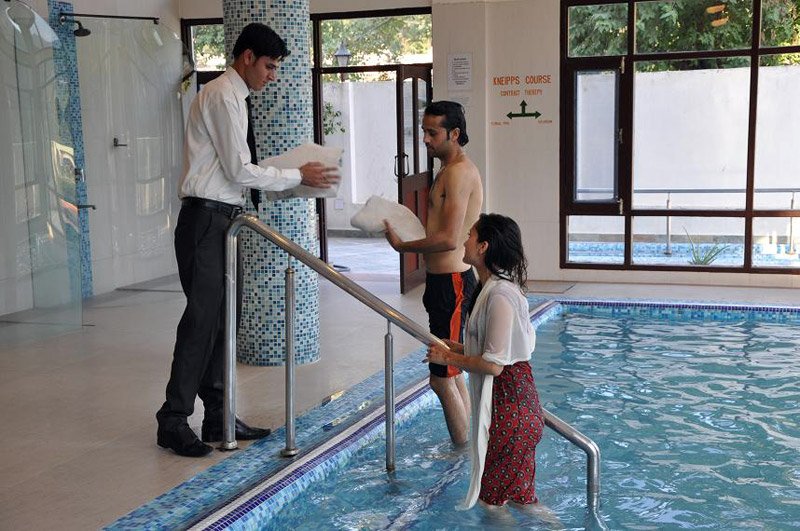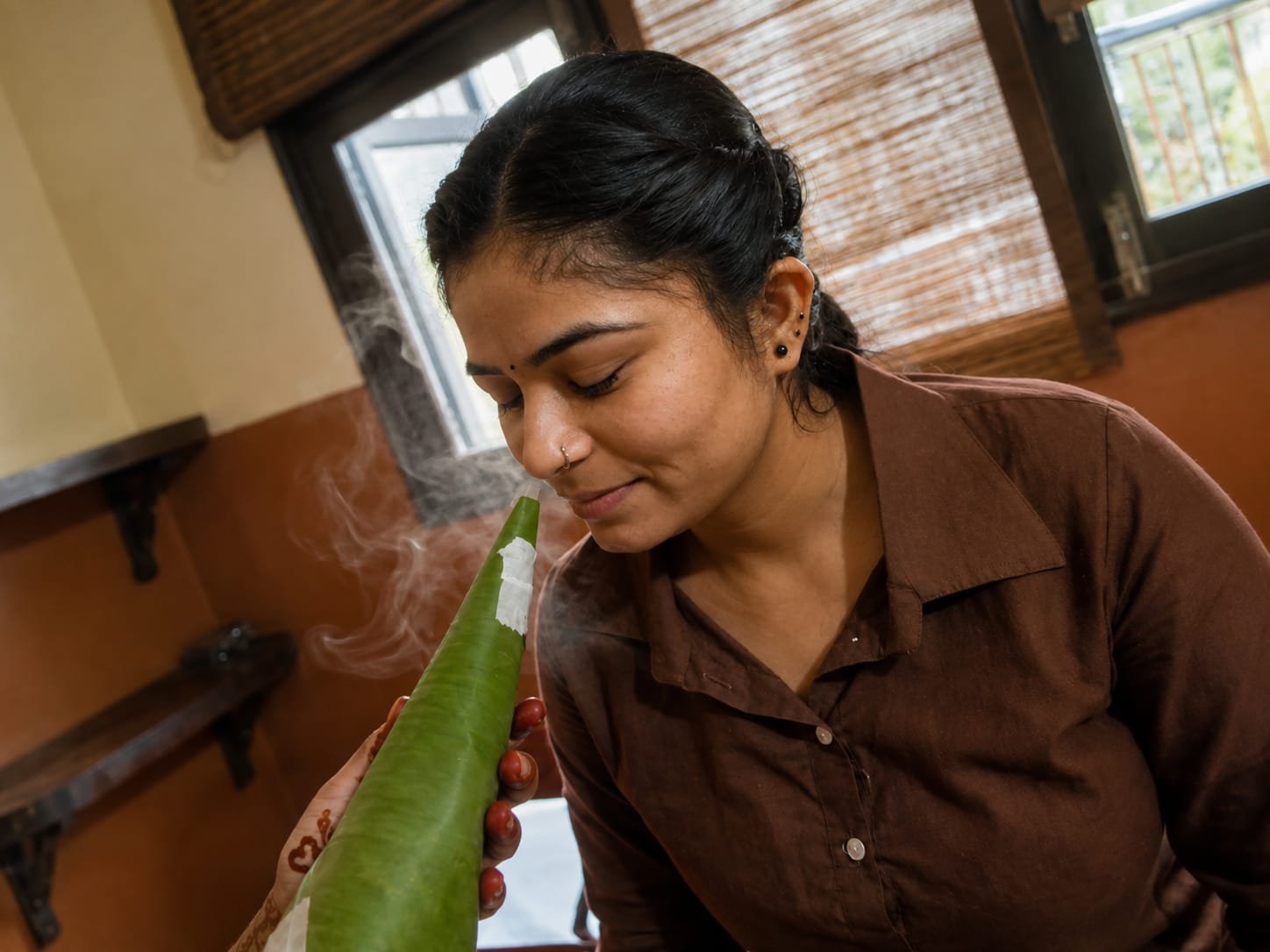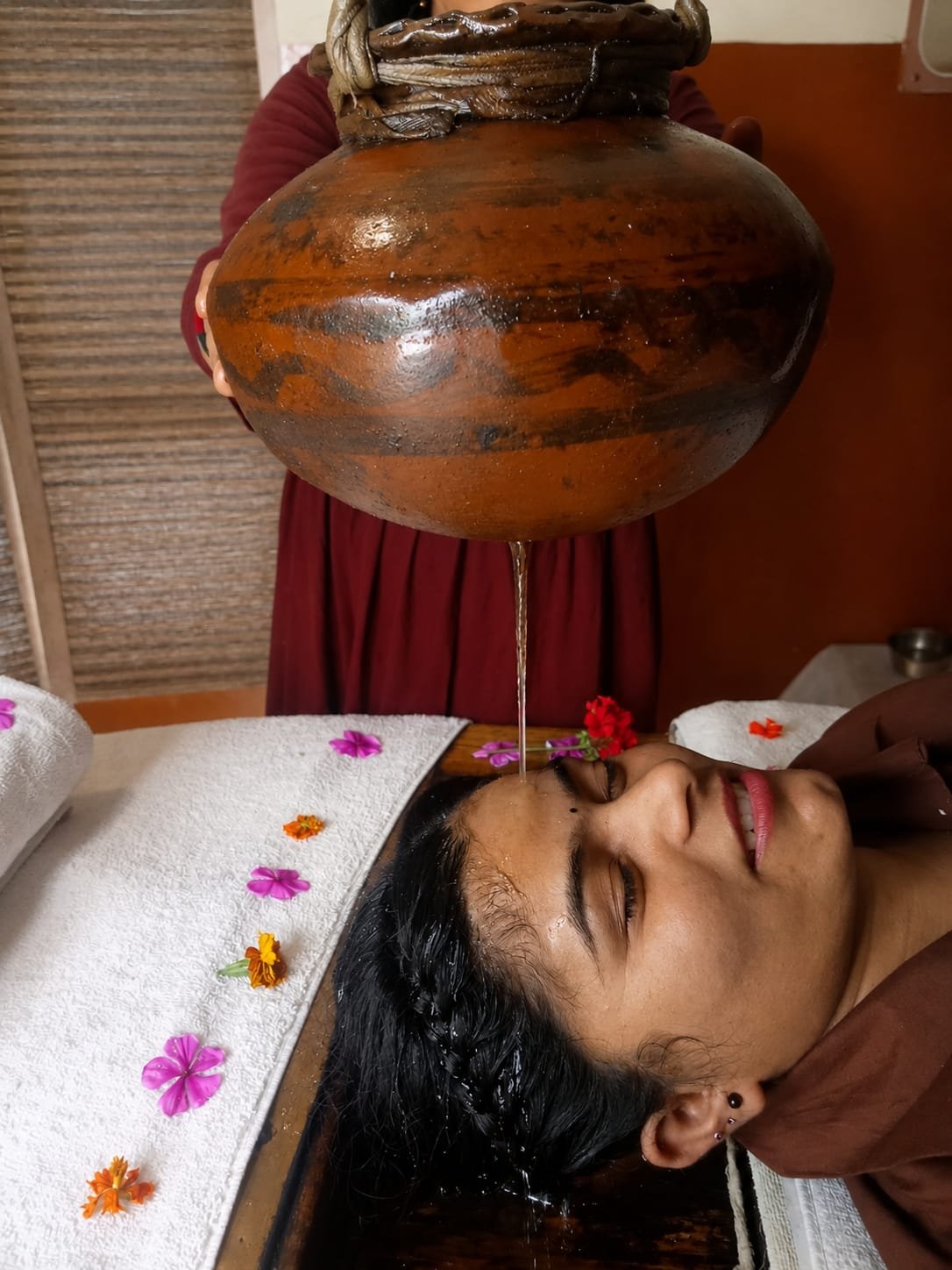


Tattapani, a beautiful riverside destination in Himachal Pradesh, is best known for its natural hot water springs. Located along the banks of the Sutlej River, the area has attracted visitors for generations because of its naturally warm, mineral-rich water and peaceful Himalayan surroundings.
The name Tattapani itself is commonly understood to mean “hot water,” which reflects the destination’s strongest natural identity. While Himachal Pradesh is home to many scenic mountain towns, Tattapani stands out because of the geothermal activity beneath the region that naturally heats underground water before it reaches the surface.
The Natural Geothermal Activity Behind Tattapani
The hot springs of Tattapani are created through a natural geothermal process.
Rainwater and groundwater slowly travel deep beneath the earth’s surface through cracks and layers of rock. As the water moves deeper underground, it comes into contact with naturally heated rocks. The warmed water then rises back towards the surface through geological openings.
This continuous natural process is what creates the hot spring water associated with Tattapani.
Unlike a swimming pool or spa where water is heated artificially, the temperature of a natural hot spring comes from heat beneath the earth. This makes Tattapani’s hot water a genuine geological feature of the Himalayan region.
It is this natural phenomenon that has made the destination famous far beyond the surrounding villages.
Mineral-Rich Hot Spring Water
Another important characteristic of Tattapani’s hot springs is the presence of naturally occurring minerals in the water.
The water is particularly known for its sulphurous properties, which can sometimes be recognised by its distinctive natural smell. These minerals are picked up as underground water passes through different rock formations before reaching the surface.
The combination of natural warmth and mineral content gives the water its unique character.
For many visitors, bathing in naturally heated mineral water feels very different from using ordinary warm water. The experience is closely connected with the natural environment and geology of the area rather than an artificially created spa setting.
A Tradition That Goes Back Generations
The reputation of Tattapani’s hot springs is not something that developed recently.
For generations, local residents, pilgrims and travellers have visited the area to experience the warm spring water. Bathing in these natural springs gradually became an important part of Tattapani’s local identity.
Traditional beliefs have long associated mineral hot spring bathing with relaxation, comfort and general wellbeing. This history has helped Tattapani become one of the better-known hot spring destinations in Himachal Pradesh.
Even today, many people visit the area specifically because they have heard about its natural hot water.
The springs therefore represent more than just a geological attraction. They are also connected with the culture, traditions and stories of the region.
The Unique Location of Tattapani
The setting of the hot springs adds greatly to their appeal.
Tattapani lies in the Himalayan foothills beside the Sutlej River, surrounded by hills and mountain landscapes. Experiencing naturally warm water in this environment creates a completely different atmosphere from a conventional indoor spa or heated pool.
The contrast is particularly noticeable during cooler weather, when the mountain air can feel crisp while the spring water remains naturally warm.
This combination of geothermal water and Himalayan scenery is one of the reasons visitors remember Tattapani.
The destination brings together two very different natural elements: the cool mountain environment above ground and geothermal heat coming from deep beneath the surface.
Why Are Hot Springs Found in Tattapani?
Hot springs generally occur in areas where underground geological conditions allow water to travel deep enough to become heated before returning to the surface.
The Himalayan region is geologically active because the mountains were formed through the movement of major tectonic plates. This complex geology creates faults, fractures and underground pathways through which groundwater can circulate.
In places such as Tattapani, these natural pathways allow heated underground water to reach the surface.
This is why hot springs are found only in certain locations. The right combination of underground water, rock formations, fractures and geothermal heat must exist together.
Tattapani happens to be one of the places where these natural geological conditions come together.
What Makes Tattapani Hot Springs Different?
There are many places where travellers can enjoy heated pools, spas and wellness baths, but Tattapani offers something naturally created.
Its appeal comes from the combination of:
- Naturally heated geothermal water
- Mineral-rich spring water
- Sulphurous characteristics
- A long history of traditional bathing
- A riverside Himalayan location
- A natural geological phenomenon unique to the area
These features have helped Tattapani build a strong reputation as a natural hot spring destination.
Visitors are not simply experiencing warm water. They are experiencing water that has travelled through underground geological formations and been naturally heated beneath the Himalayan landscape.
An Important Part of Tattapani’s Identity
Over time, the hot springs have become inseparable from the identity of Tattapani.
People travelling through the region often know the destination because of its natural hot water springs before they know about its other attractions. The springs have helped transform what might otherwise have remained a quiet riverside settlement into a recognised destination in Himachal Pradesh.
They also demonstrate how closely the landscape, geology and local traditions of the Himalayas are connected.
For residents, the springs are part of the area’s natural heritage. For visitors, they provide an opportunity to experience a rare natural phenomenon in a peaceful mountain setting.
Why Tattapani Continues to Attract Visitors
Even as travel preferences change, the appeal of natural places remains strong.
Tattapani’s hot springs continue to attract people because the experience is simple, authentic and closely connected with nature.
There are no artificial systems responsible for creating the original geothermal water. Its warmth comes from processes taking place naturally beneath the earth.
Combined with mineral content, Himalayan scenery and a long-standing bathing tradition, this natural phenomenon has given Tattapani a distinctive reputation.
Conclusion
Tattapani is known for its natural hot springs because of a rare combination of geothermal activity, naturally heated mineral water, Himalayan geology and generations of local tradition.
The springs are one of the defining natural features of the area and remain an important reason why people visit Tattapani today.
More than just warm water, they represent the unique geological character of the region and a natural phenomenon that has shaped Tattapani’s identity for generations.