As we age, taking care of mobility, relaxation and overall wellbeing becomes increasingly important. For many seniors, hot spring therapy offers a gentle and enjoyable way to relax in naturally warm, mineral-rich water while spending time in a peaceful environment.
Natural hot spring bathing has been practiced for generations around the world. While it should not be considered a treatment or cure for medical conditions, warm-water immersion may provide comfort, encourage relaxation and complement a healthy wellness routine.
For older adults, however, hot spring therapy should always be approached with a little extra care.
Why Hot Spring Therapy Appeals to Seniors
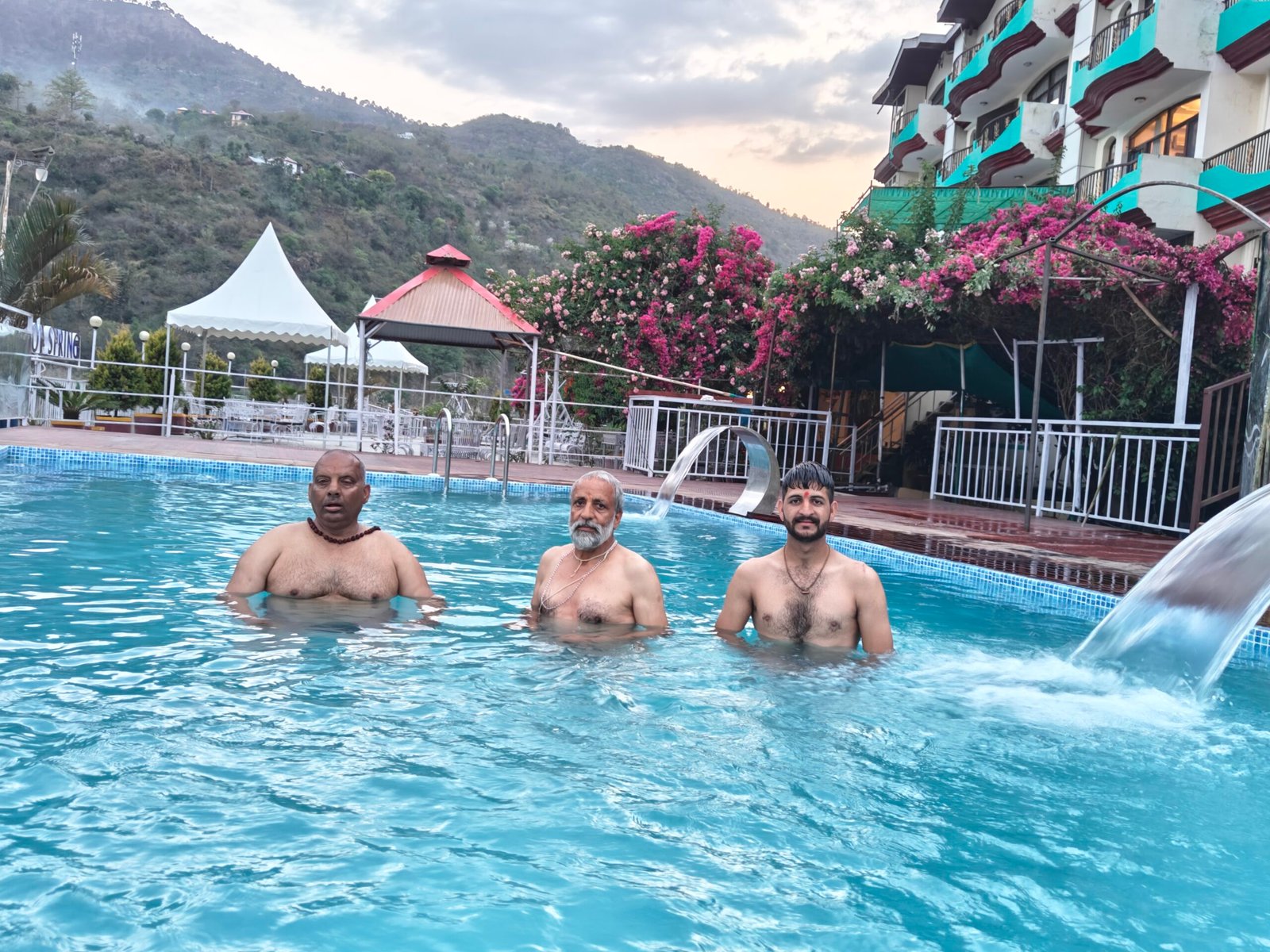
Hot spring therapy involves soaking in naturally heated geothermal water. The warmth of the water, combined with its natural buoyancy, creates an environment where the body can feel lighter and more relaxed.
This can be particularly appealing to seniors who experience everyday stiffness, tired muscles or simply want a comfortable way to unwind.
Water supports part of the body’s weight while bathing, which can make gentle movement feel easier than it does on land. Warm water can also encourage muscles to relax, creating a soothing experience without requiring strenuous physical activity.
Gentle Support for Muscle Relaxation
One of the most immediate effects of warm-water bathing is a feeling of physical relaxation.
The warmth can help loosen tense muscles and may make the body feel less stiff temporarily. For seniors who have spent long periods sitting, travelling or performing everyday activities, this can provide a comfortable opportunity to rest.
Gentle movements or stretches in warm water may also feel easier because of the buoyancy provided by the water.
Hot spring therapy should, however, be viewed as a wellness practice rather than a medical treatment. Persistent pain, significant stiffness or mobility problems should always be discussed with a qualified healthcare professional.
A Calming Experience for Mind and Body
Wellness in later life is not only about physical comfort.
Creating time for rest and mental relaxation can be equally valuable.
Sitting quietly in naturally warm water encourages the body to slow down. Combined with peaceful surroundings, the experience can provide a welcome break from daily responsibilities and mental stimulation.
A natural setting can make this experience particularly enjoyable. Hot spring destinations surrounded by mountains, rivers and open landscapes offer seniors an opportunity to relax away from the noise and pace of everyday life.
Warm Water and Circulation
Warm-water immersion produces changes in the cardiovascular system. Research has found that hot-water immersion can temporarily alter blood pressure and heart rate. Some studies have reported reductions in blood pressure following immersion, although research into its longer-term therapeutic benefits remains limited.
Because these cardiovascular changes occur, they are also one of the main reasons seniors need to be cautious.
Older adults may be more sensitive to heat, and very hot water can potentially contribute to dizziness, weakness or changes in blood pressure. People aged 65 and above are generally more vulnerable to heat-related health problems.
This means hotter is not necessarily better when it comes to hot spring bathing.
Natural Buoyancy Can Make Movement More Comfortable
Another advantage of water-based wellness activities is buoyancy.
When the body is immersed in water, it does not have to support its full weight in the same way it does while standing or walking. This can create a feeling of lightness and allow some people to move more comfortably.
Simple movements such as slowly bending the knees, moving the ankles or gently stretching the arms may therefore feel easier in water.
For seniors with significant mobility limitations, balance problems or existing joint conditions, these activities should only be performed when appropriate and, where necessary, with professional guidance.
Why Seniors Need to Be More Careful
Although warm spring water can feel very comfortable, older adults should avoid staying in excessively hot water for long periods.
Heat causes physiological changes, including changes in heart rate and blood pressure. Research examining hot bathing in older adults has shown measurable cardiovascular responses during and after bathing.
Getting out of hot water quickly can also sometimes lead to light-headedness, particularly in someone who already experiences low blood pressure. Being too hot and not drinking enough fluids are among the recognised factors that can contribute to fainting.
For seniors, a comfortable and controlled experience is therefore preferable to prolonged exposure to very hot water.
Simple Safety Tips for Senior Guests
A few sensible precautions can make hot spring bathing more comfortable and enjoyable.
Choose comfortable warmth rather than extreme heat.
Water should feel pleasantly warm, not uncomfortably hot.
Keep the first session short.
Someone experiencing hot spring bathing for the first time should gradually understand how their body responds rather than remaining immersed for an extended period.
Stay hydrated.
Older adults are more vulnerable to heat-related problems, so drinking sufficient water before and after bathing is important.
Enter and exit slowly.
Take your time when standing up or leaving the pool, particularly if you are prone to dizziness.
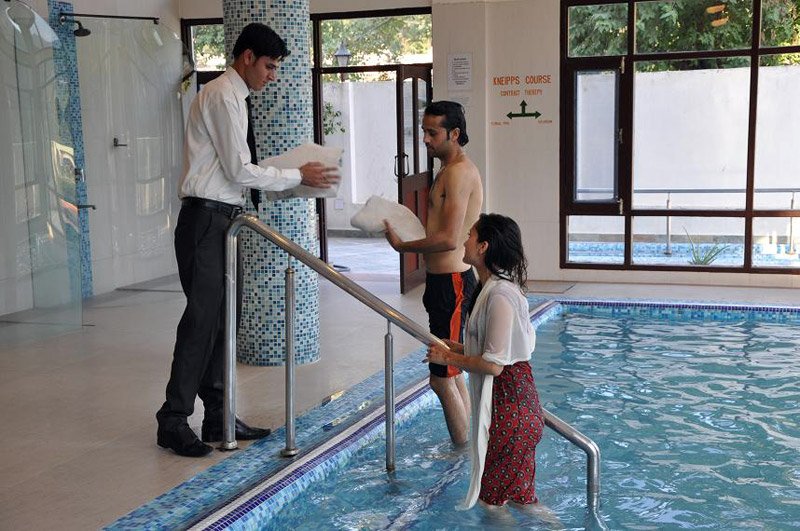
Use handrails and support where available.
Wet surfaces can increase the risk of slipping, so safe entry and exit are especially important for seniors.
Avoid bathing alone if mobility is limited.
Having a companion or trained staff member nearby can provide additional confidence and assistance.
Most importantly, stop bathing and seek assistance if you feel dizzy, unusually weak, short of breath, confused or otherwise unwell.
When Should Seniors Speak With Their Doctor First?
Older adults with existing health concerns should seek medical advice before starting hot spring therapy.
This is particularly important for people managing conditions involving the heart, blood pressure or circulation, or anyone who has been advised to limit heat exposure.
Certain medications may also influence blood pressure, hydration or the way the body responds to heat.
Because every person’s health situation is different, medical suitability cannot be determined simply by age.
A senior who is generally active and healthy may tolerate warm-water bathing very differently from someone managing multiple medical conditions.
Hot Spring Therapy as Part of Senior Wellness
Hot spring therapy works best when viewed as one part of a broader approach to healthy ageing.
Good nutrition, appropriate physical activity, adequate sleep, hydration, social connection and regular medical care all remain important.
Warm-water bathing can complement these habits by providing dedicated time for rest, gentle relaxation and connection with nature.
The goal does not need to be complicated.
Sometimes the simple experience of sitting comfortably in warm water, slowing down and allowing the body to rest can itself be valuable.
Conclusion
For seniors, hot spring therapy can offer a peaceful and comfortable wellness experience. Naturally warm water, buoyancy and a relaxing environment may help encourage muscle relaxation, gentle movement and mental calm.
At the same time, ageing can make the body more sensitive to heat and changes in blood pressure, so moderation and proper precautions are essential.
Hot spring therapy should never replace medical treatment, but when it is appropriate for the individual and enjoyed responsibly, it can be a relaxing addition to a senior wellness routine.