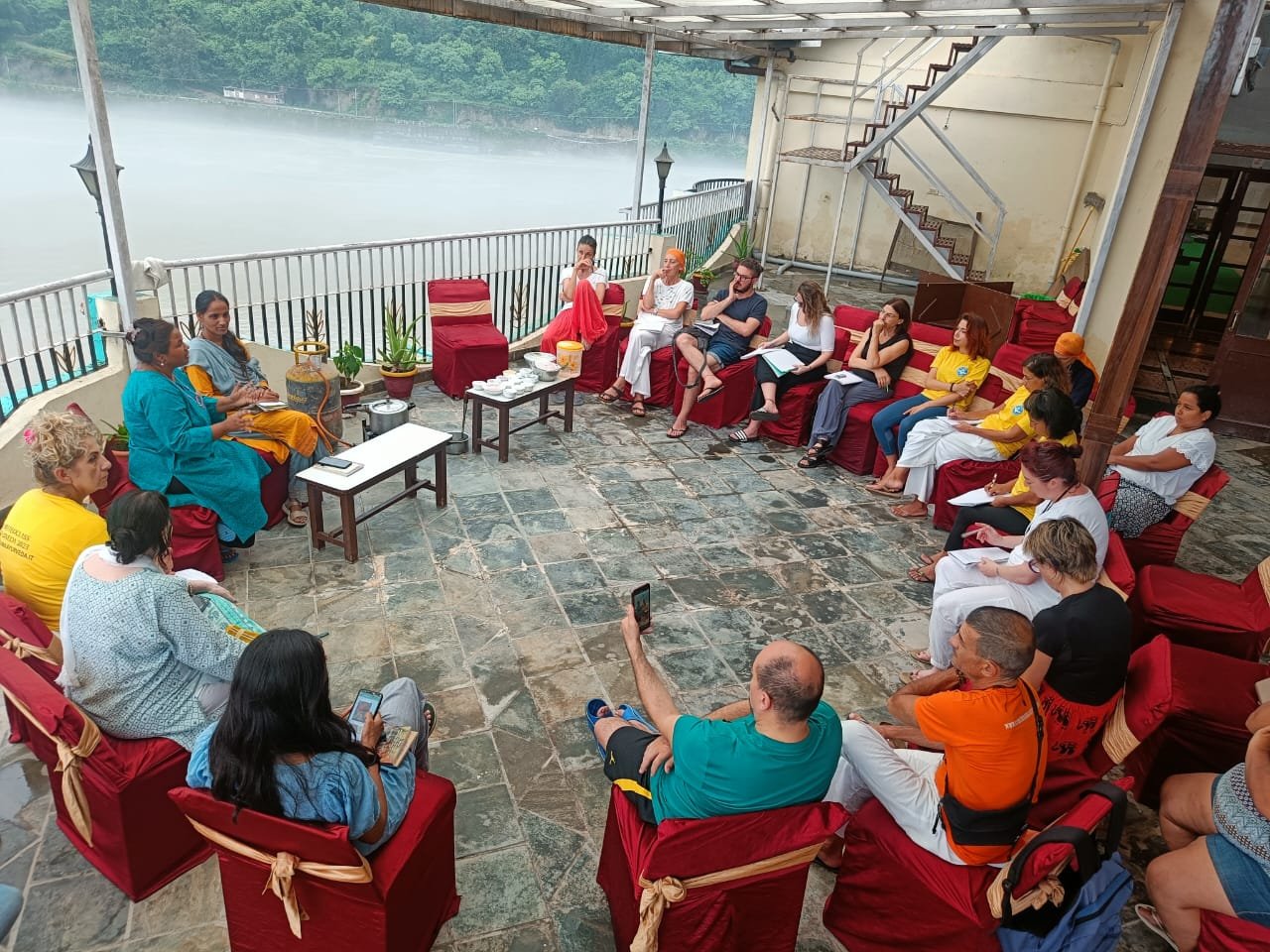

Yoga, Ayurveda and naturopathy are often discussed separately, but they can also complement one another as part of a broader approach to wellness.
Each has its own philosophy and methods. Yoga focuses strongly on movement, breathing and mental balance; Ayurveda uses traditional principles involving diet, lifestyle and individual constitution; while naturopathy emphasises natural lifestyle practices such as nutrition, water, rest and physical activity.
When thoughtfully combined, these approaches can create a wellness routine that considers several aspects of daily life rather than concentrating on only one therapy.
Understanding the Role of Yoga
Yoga is much more than physical exercise.
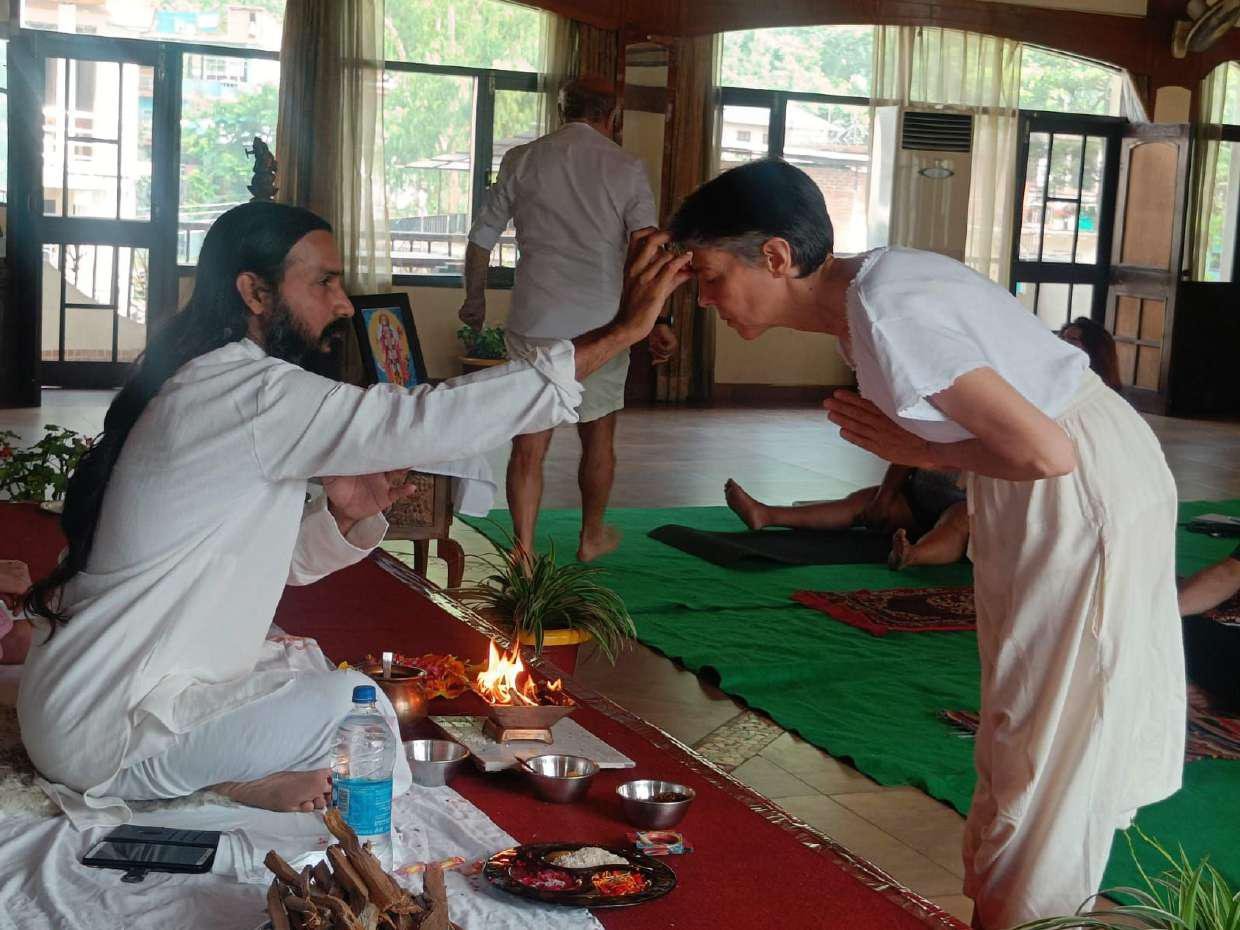
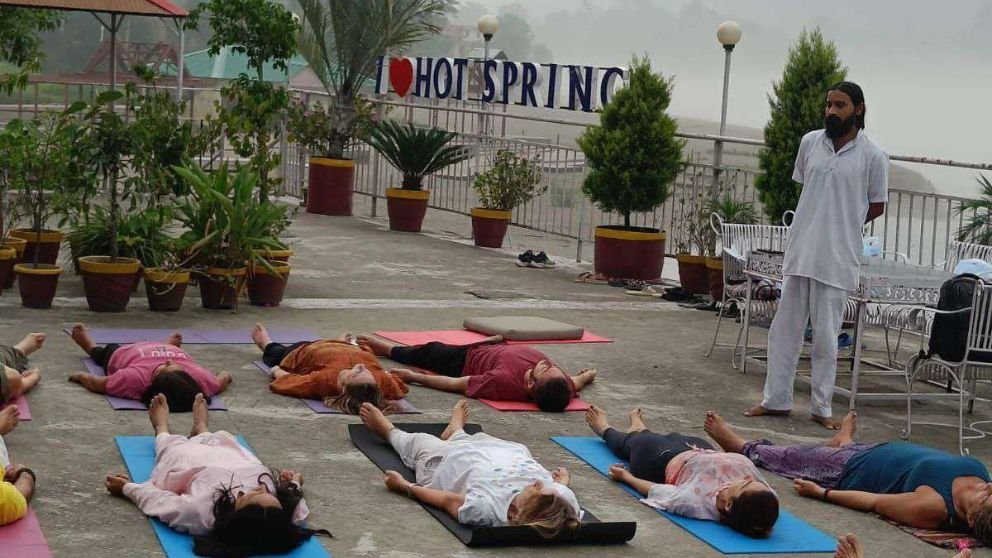
A typical yoga practice may include gentle postures, stretching, breathing exercises, relaxation and meditation. The intensity can be adapted according to a person’s age, fitness level and mobility.
Within a wellness programme, yoga can help encourage:
- Regular physical movement
- Flexibility and mobility
- Better awareness of posture and breathing
- Relaxation
- Mindfulness
- Time away from everyday mental stimulation
For someone who has become relatively inactive, even gentle yoga can provide a structured way to introduce movement into the day.
The aim does not need to be difficult poses or intense workouts. In a wellness setting, yoga can simply provide a comfortable opportunity to move, breathe and slow down.
Understanding the Role of Ayurveda
Ayurveda is a traditional Indian system that takes an individualised approach to health and wellbeing.
Rather than focusing on a single activity, Ayurveda looks at several parts of daily life, including food, sleep, routines, physical activity and traditional therapies.
Depending on an individual’s needs and professional assessment, an Ayurvedic wellness programme may include:
- Dietary guidance
- Daily routine recommendations
- Herbal or oil-based preparations
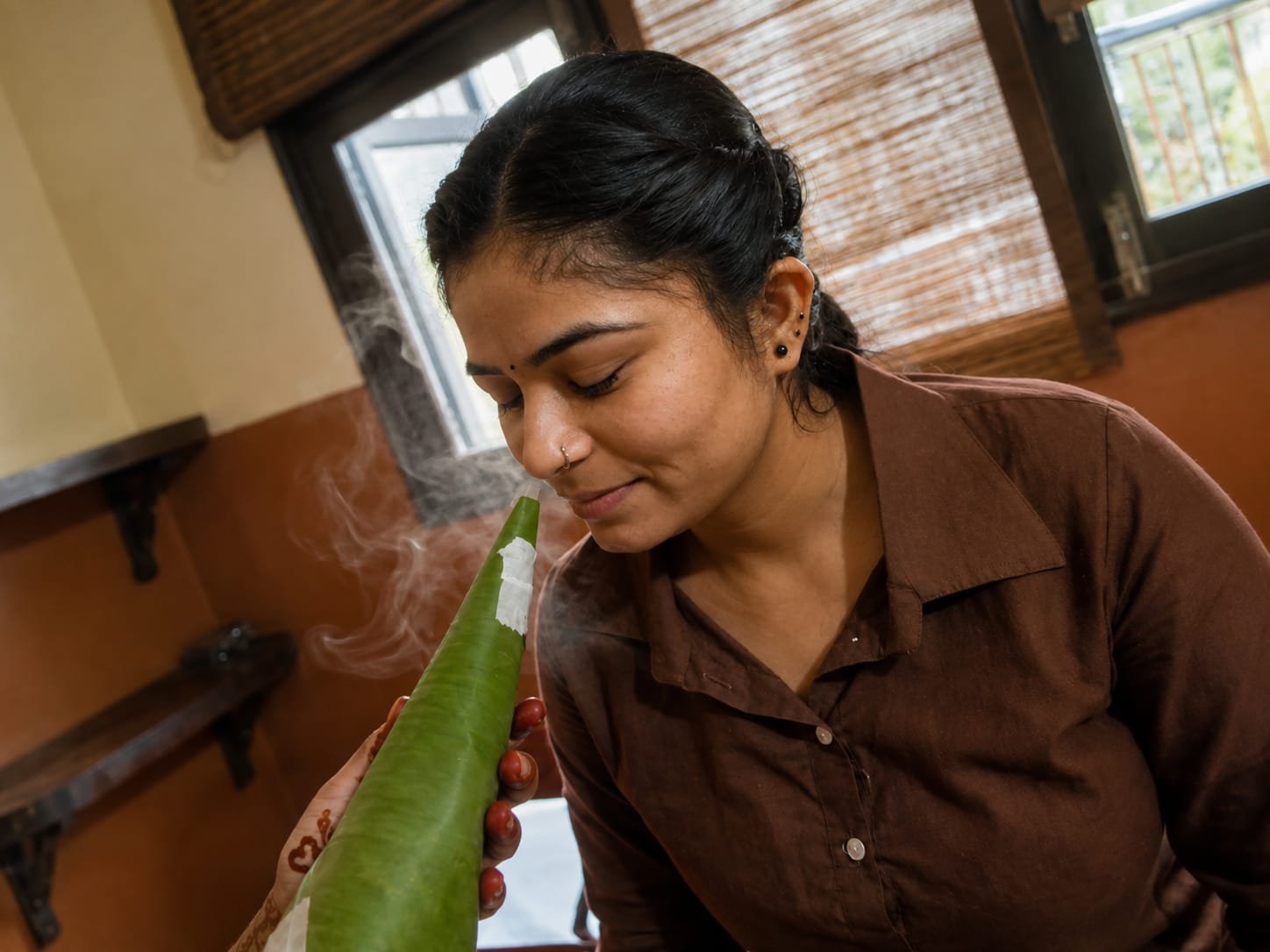
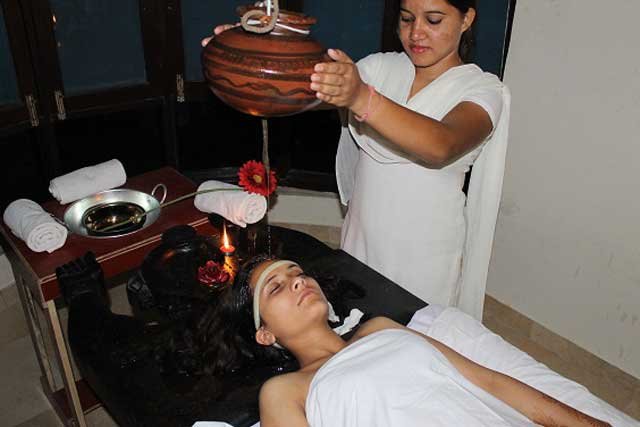
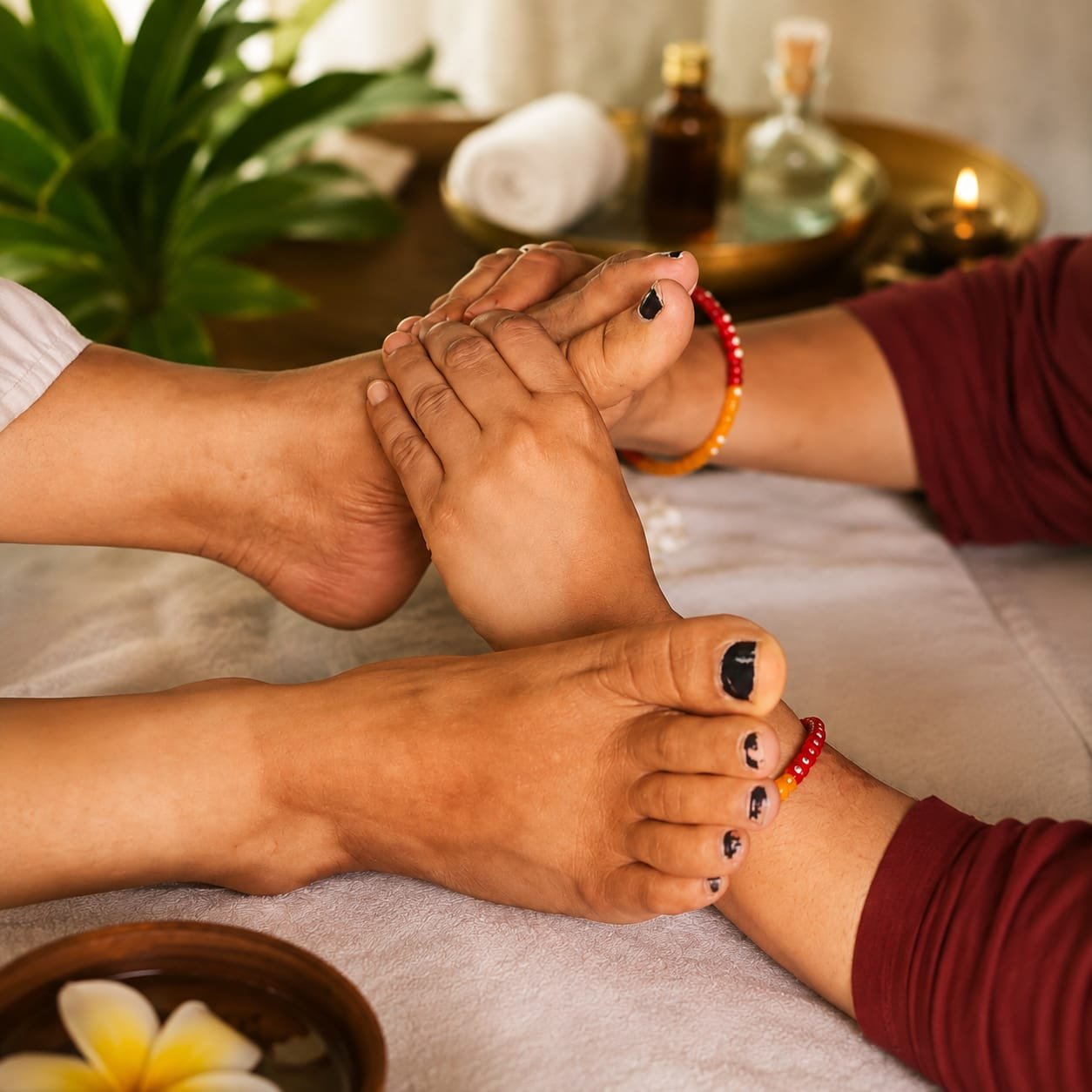
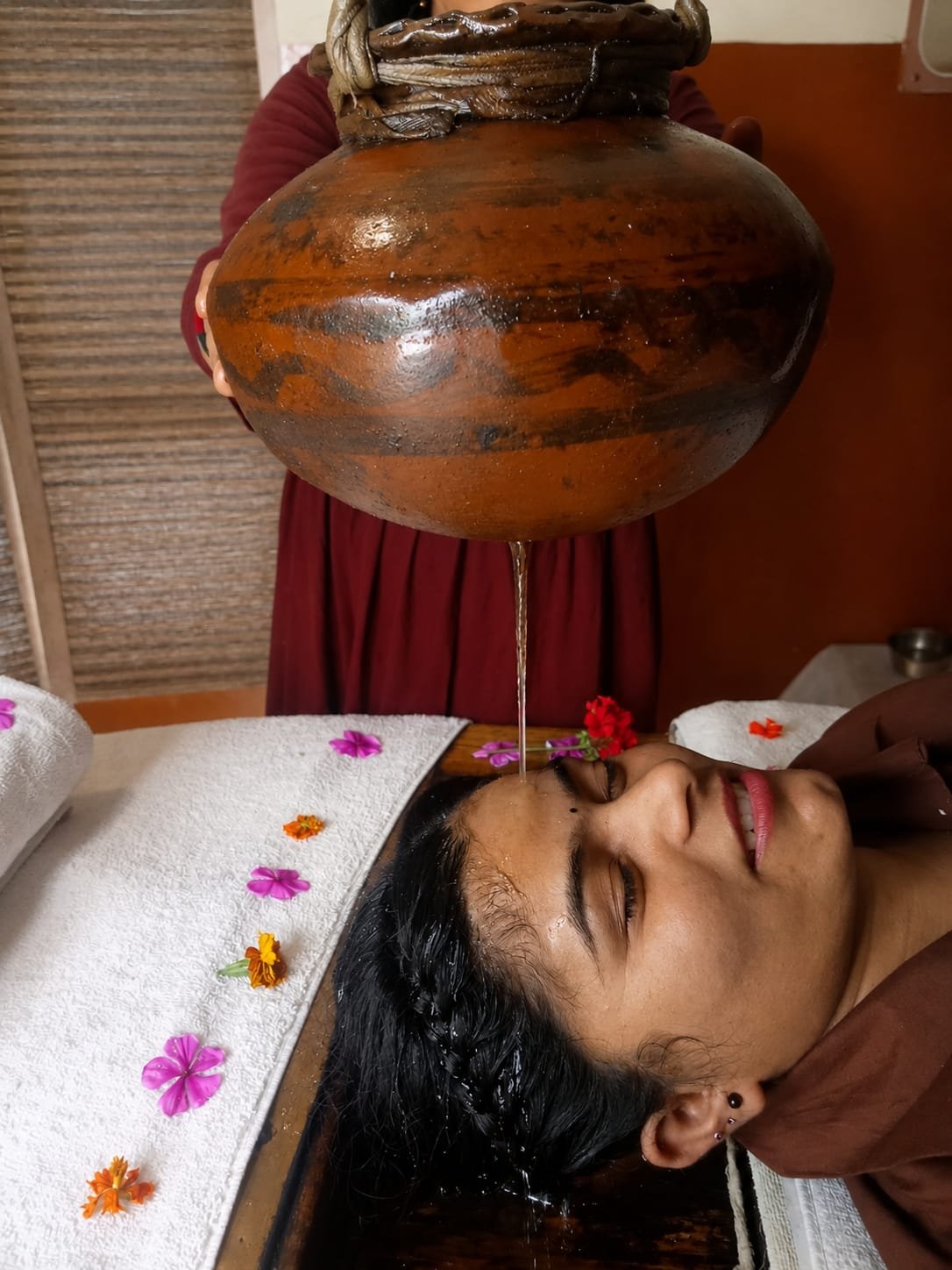
- Traditional massage
- Relaxation therapies
- Yoga and breathing practices
- Lifestyle recommendations
One of Ayurveda’s distinguishing features is the idea that wellness recommendations should be adapted to the individual rather than being identical for everyone.
Understanding the Role of Naturopathy
Naturopathy generally places strong emphasis on supporting wellbeing through natural lifestyle practices.
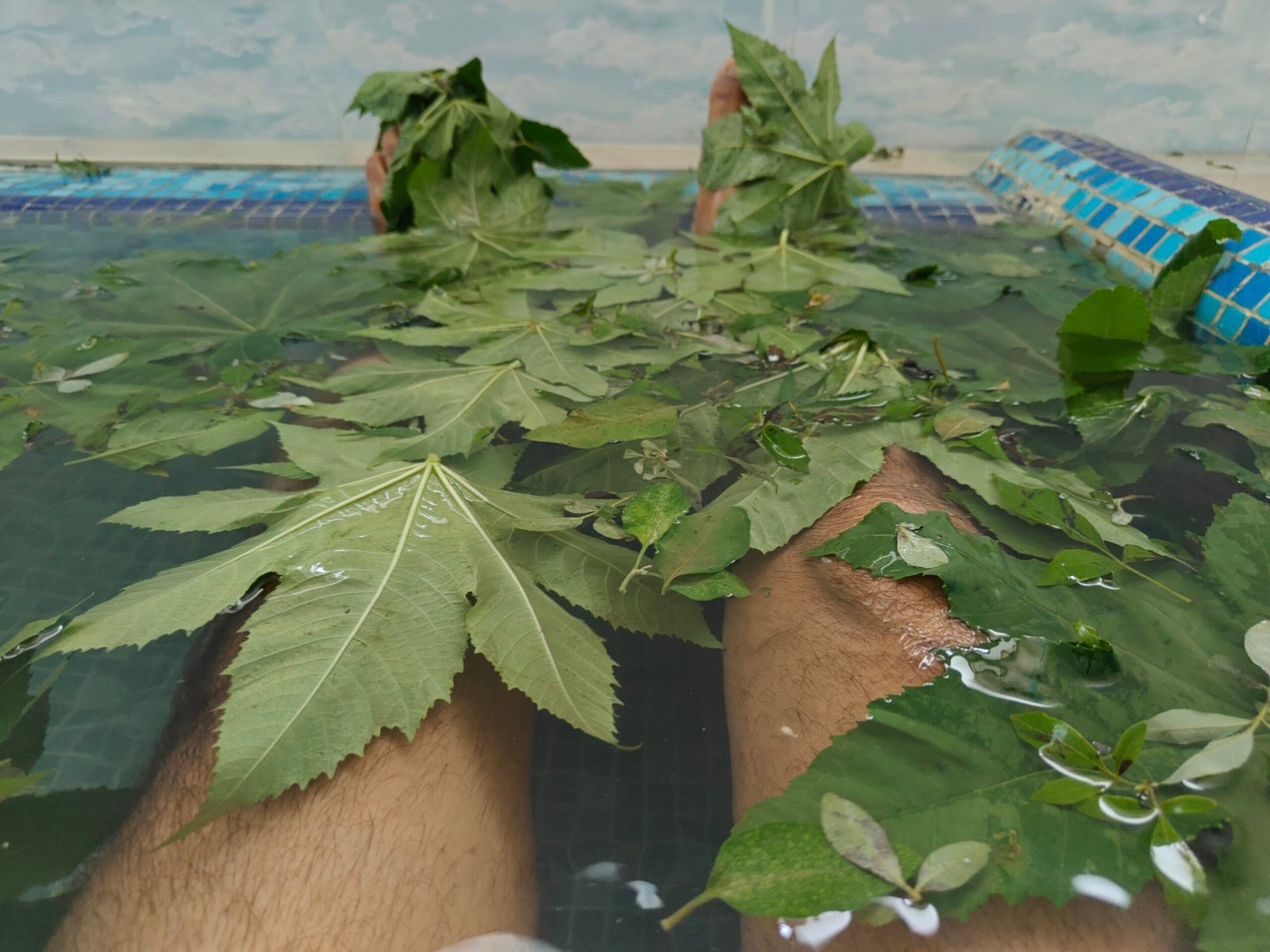
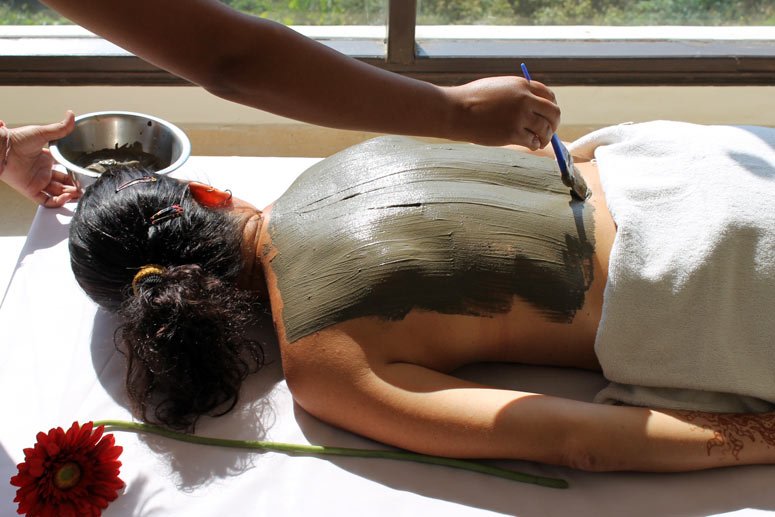
Programmes may involve nutrition, exercise, hydrotherapy, mud applications, massage, sunlight, relaxation and other non-drug approaches.
A naturopathy-based wellness routine may focus particularly on everyday habits such as:
- Eating balanced meals
- Staying appropriately hydrated
- Maintaining regular physical activity
- Getting adequate rest
- Spending time outdoors
- Developing a healthier daily routine
- Reducing unnecessary lifestyle stress
Instead of relying on one particular treatment, naturopathy often looks at how several lifestyle factors work together.
Where the Three Approaches Connect
Yoga, Ayurveda and naturopathy are different practices, but there are areas where their goals naturally overlap.
All three can encourage greater attention to:
Movement
Yoga provides structured physical activity, while naturopathy and Ayurveda also recognise the importance of appropriate movement.
Nutrition
Food and daily eating habits play an important role in both Ayurveda and naturopathy.
Rest
Adequate relaxation and sleep are important parts of maintaining general wellbeing.
Routine
Regular meal times, activity, sleep and relaxation can provide structure to the day.
Stress management
Yoga, meditation, breathing practices and relaxation therapies can help create periods of calm.
Individual needs
A good programme should consider age, mobility, lifestyle and health rather than treating every person exactly the same.
Because of these shared areas, the three approaches can often be incorporated into one coordinated wellness programme.
What Could a Combined Wellness Day Look Like?
The benefit of combining different practices becomes easier to understand when looking at a simple daily routine.
A morning might begin with gentle yoga and breathing exercises, providing some movement before breakfast.
Meals may follow recommendations based on the person’s nutritional needs and the philosophy of the wellness programme.
Later in the day, an individual might receive an Ayurvedic massage or another professionally recommended therapy.
A naturopathy-based activity could involve hydrotherapy, gentle movement, relaxation or another natural wellness practice.
There should also be adequate time for rest.
The evening might include meditation, breathing exercises or a quiet walk.
Instead of filling every hour with treatments, the programme brings different practices together around a balanced daily rhythm.
Yoga Can Complement Ayurveda
Yoga and Ayurveda have historically developed within India’s broader traditions of wellbeing and are frequently used alongside each other.
Ayurveda may focus on daily routines, food and personalised lifestyle considerations, while yoga adds a practical element of movement and mindful breathing.
For example, someone following an Ayurveda-inspired routine might also practise gentle yoga in the morning and relaxation or meditation in the evening.
The two approaches can therefore complement each other without needing to become the same practice.
Yoga Can Complement Naturopathy
Physical movement is also an important part of many naturopathic wellness programmes.
Yoga can provide a structured form of movement that is adaptable for different fitness levels.
Rather than requiring strenuous exercise, a programme might incorporate simple stretches, breathing exercises and beginner-friendly postures.
Combined with appropriate nutrition, hydration, rest and other naturopathic practices, yoga can become one component of a more complete lifestyle programme.
Ayurveda and Naturopathy Can Also Complement Each Other
Ayurveda and naturopathy may appear similar because both can involve food, lifestyle and natural therapies.
However, they approach these areas differently.
Ayurveda works within its own traditional framework and may include personalised dietary advice, herbal preparations, oil therapies and traditional procedures.
Naturopathy generally places stronger emphasis on nature-based and lifestyle practices such as nutrition, water, mud therapy, exercise, rest and natural environmental factors.
When offered together responsibly, selected practices from both approaches can be incorporated according to individual requirements.
For example, a wellness programme might combine an Ayurvedic oil massage with a naturopathic hydrotherapy session and a healthy structured diet.
The Importance of Personalisation
Combining more therapies does not automatically create a better wellness programme.
What matters is whether the activities are appropriate for the individual.
A young, physically active guest may be comfortable with a very different schedule from an older person with limited mobility.
Similarly, someone taking regular medication or managing an existing health condition may require additional precautions.
Before starting a structured programme, factors such as the following should ideally be considered:
- Age
- Physical fitness
- Mobility
- Current health conditions
- Medications
- Diet
- Sleep
- Lifestyle
- Personal wellness goals
Treatments should then be selected accordingly rather than simply giving every guest the same package.
Creating a More Balanced Wellness Experience
One of the advantages of bringing yoga, Ayurveda and naturopathy together is that wellness does not depend on one activity.
Yoga can provide movement and mindfulness.
Ayurveda can provide a traditional framework for personalised diet, lifestyle and therapies.
Naturopathy can place additional emphasis on natural lifestyle habits, nutrition, rest and supportive therapies.
Together, these practices can encourage people to pay attention to how they eat, move, sleep, relax and structure their day.
That broader perspective is often more useful than expecting one treatment to produce dramatic results.
They Should Complement, Not Replace, Medical Care
Yoga, Ayurveda and naturopathy can form part of a wellness routine, but they should not be used as substitutes for necessary medical diagnosis or treatment.
Anyone managing an ongoing medical condition should continue following professional medical advice and prescribed medication.
Additional care may also be required before undertaking unfamiliar therapies, intensive yoga, fasting, herbal preparations or other significant dietary changes.
This is particularly important for older adults, pregnant women and people with chronic health conditions.
A responsible wellness programme should therefore focus on supporting general wellbeing alongside appropriate healthcare rather than promising to cure diseases.
Conclusion
Yoga, Ayurveda and naturopathy are different approaches, but they can complement each other when used thoughtfully.
Yoga contributes movement, breathing and mindfulness. Ayurveda brings traditional principles related to individualised diet, lifestyle and therapies. Naturopathy focuses strongly on natural lifestyle practices, nutrition, rest and healthy daily habits.
When these elements are combined within a personalised programme, they can create a more complete wellness experience centred around movement, nourishment, relaxation and healthier routines.
The goal is not to fit as many therapies as possible into one programme. It is to select the right combination for the individual and create a sustainable approach to overall wellbeing.