Panchakarma is one of the best-known therapeutic approaches within Ayurveda, the traditional Indian system of medicine. The term broadly refers to a group of structured Ayurvedic procedures traditionally used for purification and restoring balance according to Ayurvedic principles. Government Ayurveda institutions in India include Panchakarma as a recognised area of Ayurvedic clinical practice and education.
Although Panchakarma is often marketed today as a “detox,” it is more complex than simply following a cleansing diet or receiving a massage. A traditional Panchakarma programme may involve preparation, specific therapeutic procedures and a period of carefully managed diet and recovery.
Most importantly, Panchakarma is not necessarily suitable for everyone. The type and intensity of the programme should be decided after an individual assessment by an appropriately qualified Ayurvedic practitioner.
What Does Panchakarma Mean?
The word Panchakarma translates approximately to “five actions” or “five procedures.”
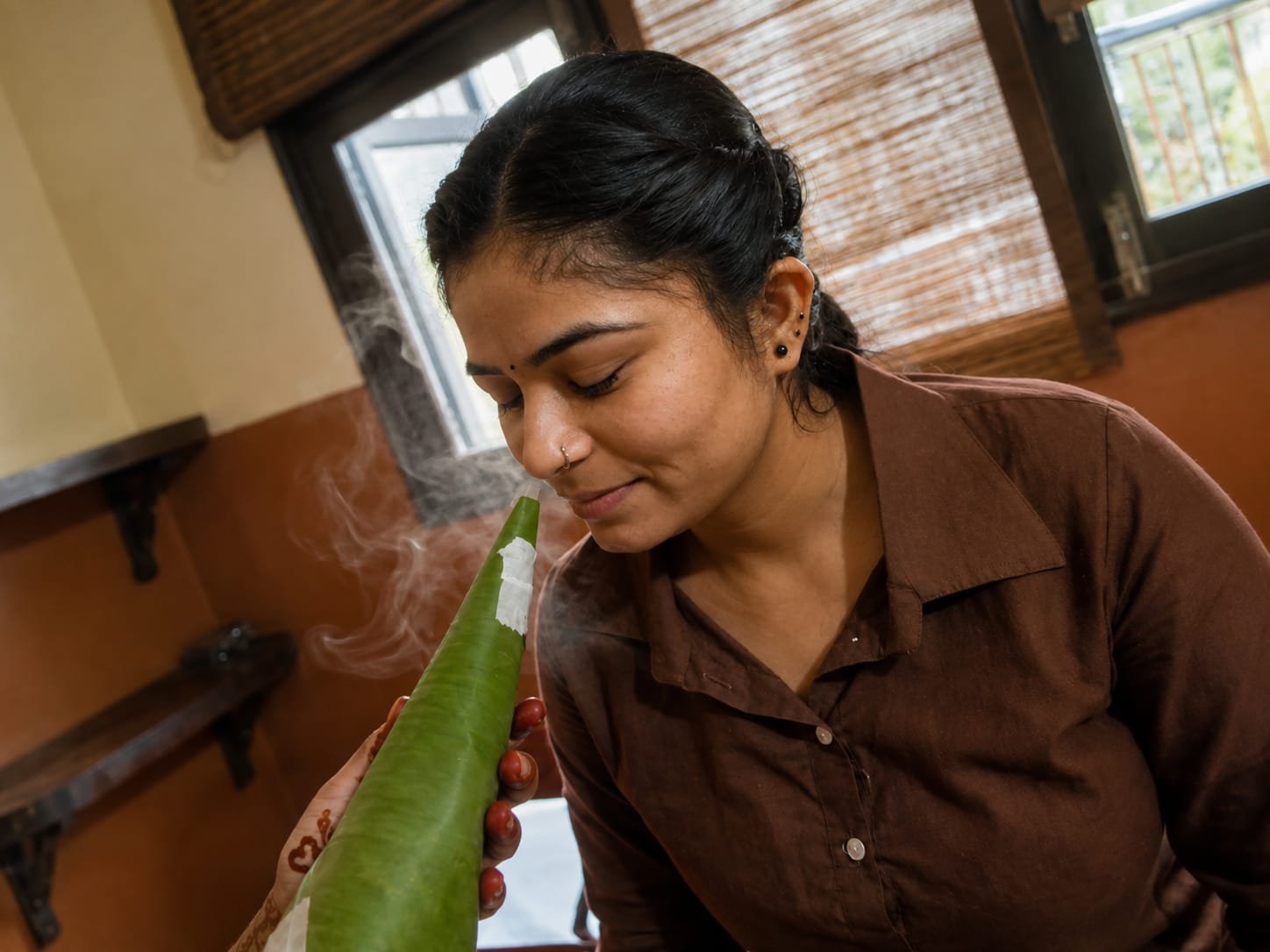
Traditionally, these procedures can include therapeutic emesis, therapeutic purgation, different forms of medicated enemas and nasal administration. Contemporary Ayurvedic practice may select only specific procedures rather than performing all five for every person.
This is an important distinction.
A genuine Panchakarma programme should not simply be a fixed package where every guest receives exactly the same treatments. Ayurveda traditionally takes an individualised approach, with the programme influenced by factors such as constitution, current health, age, digestive capacity and overall strength.
Panchakarma Is More Than Massage
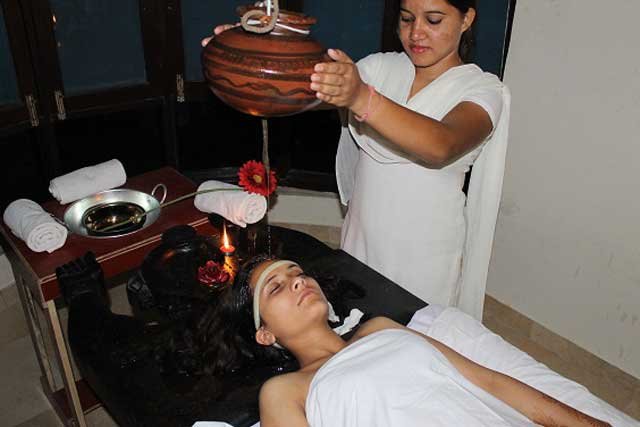
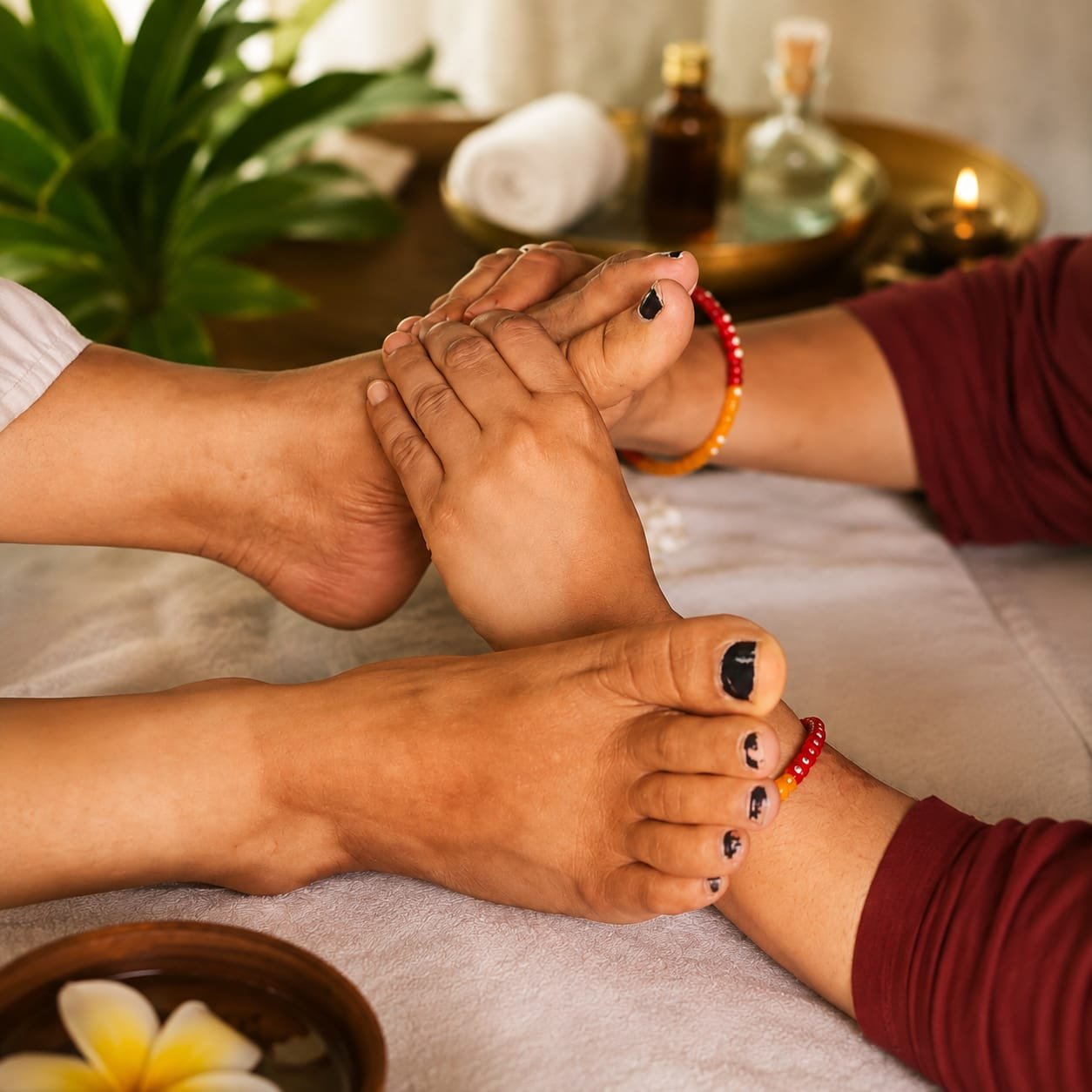
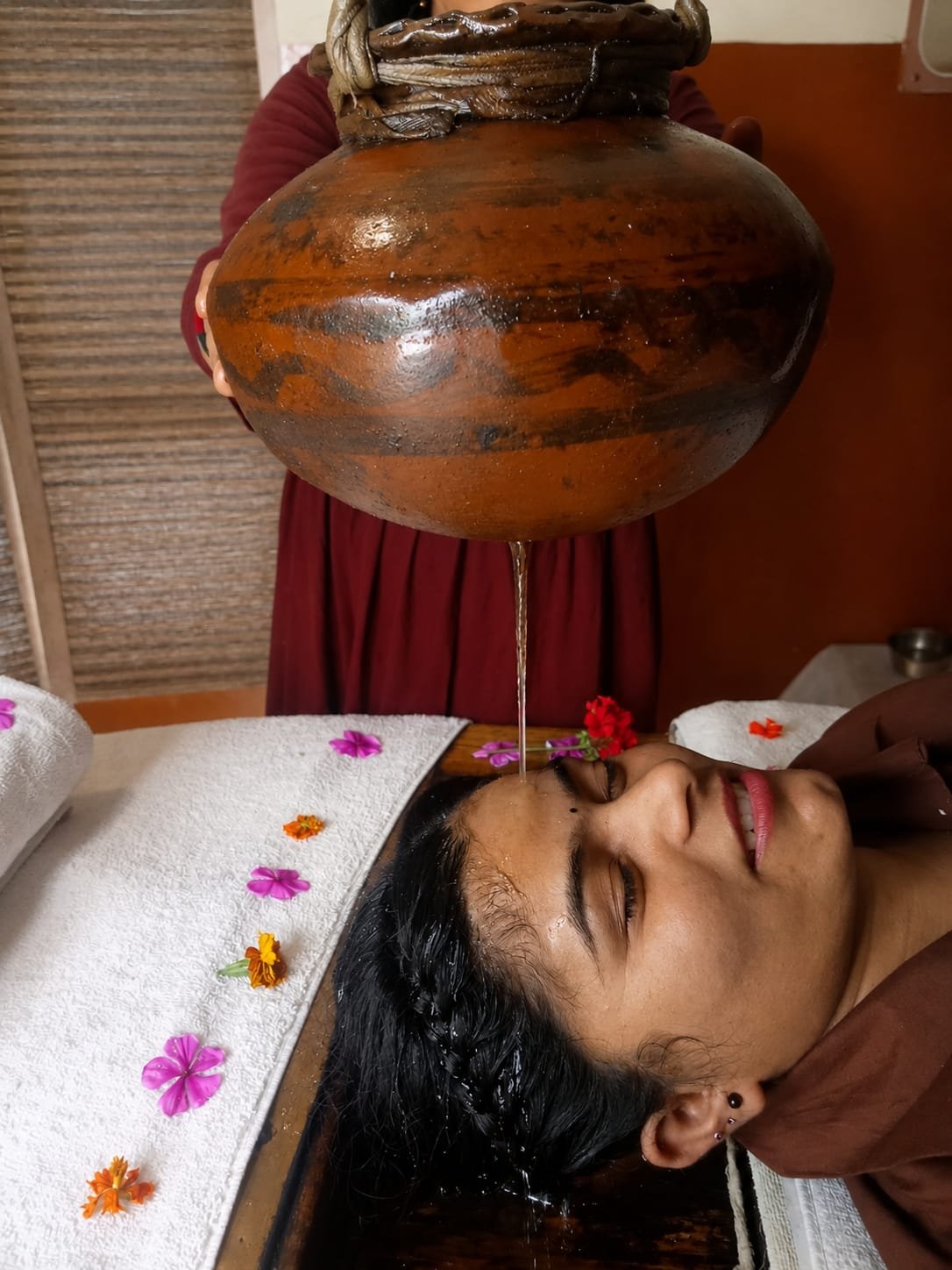
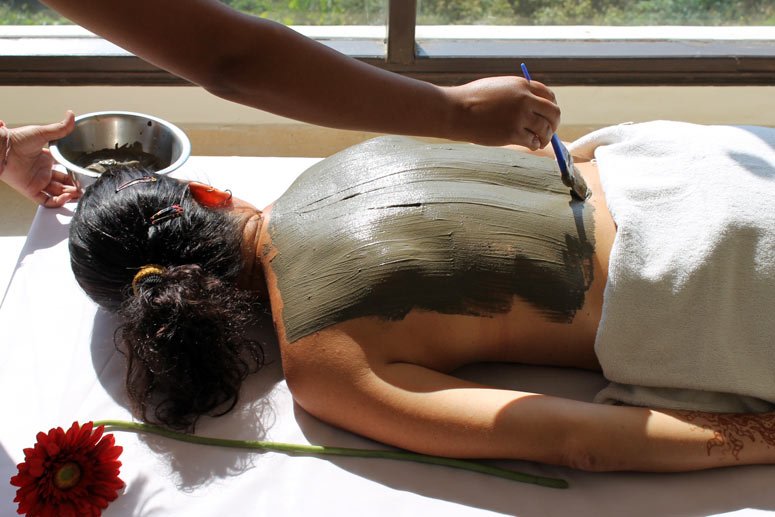
People sometimes associate Panchakarma mainly with oil massage because treatments such as warm oil applications are commonly seen at Ayurvedic wellness centres.
However, massage may only be one part of the process.
A Panchakarma programme is traditionally organised into stages.
Preparation
Before the main procedures, Ayurveda may use preparatory practices designed to prepare the individual for the selected therapy.
These can include dietary adjustments, internal or external oiling and heat-based procedures.
Main Procedures
The practitioner then chooses appropriate Panchakarma procedures according to the individual’s assessment.
Not every person undergoes the same therapy, and not every programme needs to include all five classical procedures.
Recovery and Diet
After more intensive procedures, food and daily activities may be gradually reintroduced.
Rest and dietary discipline can therefore be just as important as the therapy itself.
This structured process is one reason Panchakarma should generally be undertaken with professional supervision rather than attempted independently at home.
Who May Consider Panchakarma?
People are attracted to Panchakarma for different reasons.
Some may be interested in experiencing traditional Ayurveda, while others may want dedicated time to improve their lifestyle and step away from an unhealthy daily routine.
A supervised Panchakarma-style wellness programme may be considered by adults who are interested in:
- Taking a structured wellness break
- Improving daily lifestyle habits
- Spending time on rest and relaxation
- Following an Ayurvedic diet and routine
- Experiencing traditional Ayurvedic therapies
- Reducing an overly hectic lifestyle
- Re-establishing more consistent sleep, meals and movement
- Learning more about their individual Ayurvedic constitution
However, suitability should be assessed individually rather than assumed based on these goals alone.
Is Panchakarma Only for People Who Are Unwell?
No.
Panchakarma is often discussed within Ayurveda in both wellness and therapeutic contexts.
Some people may participate because they are interested in traditional preventive wellness practices rather than because they have a diagnosed illness.
That said, anyone seeking Panchakarma specifically to manage a medical condition should approach health claims carefully.
Scientific research on Panchakarma remains limited. Some small studies have explored outcomes associated with structured Panchakarma programmes, but the evidence is not strong enough to support broad claims that Panchakarma can “detoxify” the body in the biomedical sense or cure a wide range of diseases.
It is therefore better to view Panchakarma as a traditional Ayurvedic practice that may form part of a broader wellness programme, rather than as a replacement for established medical treatment.
Who Needs Extra Caution?
Because some Panchakarma procedures can be physically demanding, the programme is not automatically appropriate for every guest.
Extra assessment may be particularly important for:
- Older adults
- People who are physically weak or frail
- People with significant heart or circulation problems
- Those with uncontrolled blood pressure
- People with serious digestive conditions
- Anyone recovering from major surgery or severe illness
- People taking multiple medications
- Individuals with significant kidney or liver problems
- Pregnant or breastfeeding women
- Anyone with an acute illness, fever or significant dehydration
This does not mean every person in these groups is automatically excluded. It means professional assessment becomes especially important before beginning intensive therapies.
What About Senior Citizens?
Older adults can certainly be interested in Ayurveda, but Panchakarma for seniors should be approached differently from a programme designed for a young, healthy adult.
Age alone does not determine suitability.
A physically active 65-year-old may have very different requirements from someone of the same age with limited mobility, several medications or cardiovascular concerns.
For senior guests, practitioners may choose gentler therapies, shorter sessions and greater emphasis on rest, diet, relaxation or supportive Ayurvedic practices rather than intensive cleansing procedures.
The programme should always be based on the person’s actual condition rather than their age alone.
Why an Ayurvedic Consultation Matters
One of the most important steps should take place before the treatments begin.
A qualified practitioner should understand relevant information such as:
- Age
- Current health concerns
- Previous illnesses or surgeries
- Current medications
- Digestion and appetite
- Sleep
- Physical strength
- Allergies
- Previous experience with Ayurveda
- Lifestyle and daily routine
This information can help determine whether Panchakarma is appropriate and which procedures, if any, should be considered.
A retreat that recommends an intensive Panchakarma programme without asking meaningful questions about your health deserves additional scrutiny.
Panchakarma Should Be Personalised
One common misconception is that Panchakarma is a standard five-treatment package.
Traditional Ayurvedic practice is more individualised than that.
A practitioner may determine that one guest requires a certain type of preparatory therapy, while another may need a different approach. Some people may not be appropriate candidates for intensive purification procedures at all.
The duration can also vary.
For this reason, packages advertised as “3-day detox,” “7-day Panchakarma” or “21-day Panchakarma” should still allow for professional assessment and modification rather than forcing every guest through an identical programme.
What Should You Look for in a Panchakarma Centre?
The quality of supervision matters significantly.
Before choosing a centre, find out whether there is a qualified Ayurvedic doctor or practitioner responsible for assessment and treatment planning.
You should also ask:
- Is there a consultation before treatment?
- Are programmes personalised?
- Who performs the therapies?
- Are hygiene standards clearly maintained?
- Are medicines and oils appropriately sourced?
- What happens if a guest feels unwell?
- Can therapies be stopped or changed when necessary?
- Does the centre make unrealistic promises about curing diseases?
The World Health Organization emphasises appropriate training, quality assurance and clear practice frameworks as important for the safe use of traditional medicine.
Be Careful With Ayurvedic Medicines
Panchakarma programmes sometimes include Ayurvedic herbal or mineral preparations.
These should not be assumed to be risk-free simply because they are described as natural.
The U.S. National Center for Complementary and Integrative Health notes that some Ayurvedic preparations have been found to contain potentially toxic levels of metals such as lead, mercury or arsenic. Herbal products may also interact with conventional medicines.
For this reason, patients taking prescription medicines should tell both their Ayurvedic practitioner and regular healthcare professional about any additional products they plan to use.
What Should You Expect During Panchakarma?
A professionally managed programme should generally feel structured rather than rushed.
Depending on the individual assessment, your days may include Ayurvedic therapies, dietary routines, periods of rest, gentle yoga, meditation or other lifestyle practices.
You may also be asked to simplify your diet and daily routine during the programme.
Panchakarma should not be treated like an activity-packed holiday.
Adequate rest and following professional instructions are an important part of the experience.
Panchakarma Is Not a Quick Fix
Perhaps the most important thing to understand is that Panchakarma should not be viewed as a shortcut that cancels out months or years of unhealthy habits.
No short wellness programme can replace the basics of long-term health:
- Balanced nutrition
- Appropriate physical activity
- Good sleep
- Stress management
- Medical care when required
- Consistent healthy routines
Research into traditional medicine continues to develop, and organisations such as WHO emphasise the need for stronger evidence, quality standards and safe integration with healthcare.
The most useful way to approach Panchakarma is therefore as a structured traditional Ayurvedic experience that may encourage greater attention to rest, diet and lifestyle, rather than expecting it to solve every health problem.
Conclusion
Panchakarma is a specialised part of Ayurveda involving a structured and traditionally personalised series of preparatory, therapeutic and recovery practices.
It may appeal to people looking for a deeper Ayurvedic wellness experience, time away from stressful routines or greater focus on diet, rest and healthy lifestyle habits.
However, Panchakarma is not suitable for everyone in the same form.
Age, physical strength, medical conditions, medications and individual needs should all be considered before beginning a programme.
The safest approach is to choose a centre where Panchakarma is conducted under qualified supervision, where treatments are personalised and where realistic wellness guidance is prioritised over exaggerated promises of “detoxification” or disease cures.