

Ayurveda and naturopathy are both commonly associated with natural wellness, lifestyle improvement and holistic approaches to health. Because they may include similar elements—such as diet, yoga, massage and lifestyle changes—it is easy to assume that they are the same.
However, Ayurveda and naturopathy are distinct systems with different philosophies, methods and approaches to wellness. In India, both are recognised within the AYUSH framework, but they follow their own principles and practices.
Understanding the difference can help you know what to expect when these approaches are offered as part of a wellness programme.
What Is Ayurveda?
Ayurveda is a traditional Indian system of medicine with roots extending back thousands of years. The word Ayurveda is commonly translated as the “science of life.” It takes a holistic view of physical and mental wellbeing and places significant emphasis on diet, lifestyle and maintaining balance within the individual.
One of Ayurveda’s distinctive features is that recommendations may be personalised according to an individual’s constitution and current state of balance.
Ayurvedic practice can incorporate several elements, including:
- Diet and lifestyle recommendations
- Herbal preparations
- Massage and oil-based therapies
- Yoga and exercise
- Daily routines
- Traditional cleansing procedures
- Relaxation and wellness practices
Ayurvedic approaches may therefore involve both lifestyle changes and specific products or therapies.
What Is Naturopathy?
Naturopathy also takes a holistic approach but generally places stronger emphasis on natural lifestyle practices and non-drug therapies.
The Directorate of AYUSH in Delhi describes naturopathy as a system incorporating drugless therapies and concepts related to natural elements. The National Institute of Naturopathy also emphasises lifestyle and the body’s natural restorative capacity within naturopathic philosophy.
Depending on the programme and practitioner, naturopathy may include:
- Diet and nutrition
- Exercise
- Water-based therapies
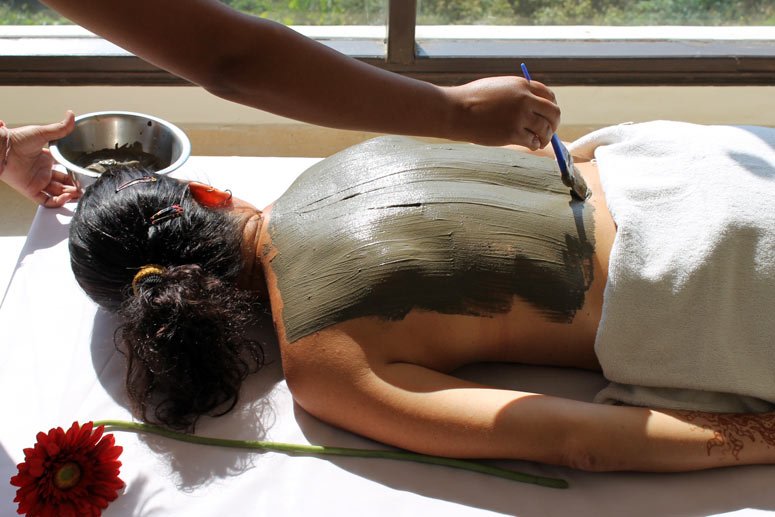
- Mud applications
- Massage
- Sun exposure
- Relaxation
- Fasting or dietary programmes
- Yoga and breathing practices
A major emphasis is usually placed on everyday habits and creating conditions that support general wellbeing.
The Main Difference: Their Underlying Philosophy
The biggest difference between Ayurveda and naturopathy is the framework used to understand the individual.
Ayurveda
Ayurveda follows its own traditional system of understanding health, including concepts such as individual constitution, balance, diet, lifestyle and the relationship between the body and the surrounding environment.
The approach can therefore be highly personalised.
Two people with similar concerns may receive different Ayurvedic lifestyle or dietary recommendations depending on their individual assessment.
Naturopathy
Naturopathy generally focuses on supporting wellbeing through natural environmental and lifestyle factors.
Its philosophy places considerable importance on nutrition, physical activity, water, sunlight, rest and other natural approaches.
Rather than relying primarily on traditional herbal formulations, many naturopathic programmes place greater emphasis on drugless and lifestyle-based methods.
Ayurveda vs Naturopathy: Quick Comparison
| Feature | Ayurveda | Naturopathy |
|---|---|---|
| Origin | Traditional Indian medical system | Natural-health system developed around nature-based approaches |
| Main Focus | Individual balance, constitution, diet and lifestyle | Lifestyle, natural therapies and healthy habits |
| Herbal Preparations | Commonly used | Usually less central in Indian naturopathy |
| Diet | Personalised according to Ayurvedic principles | Often focused on natural, balanced or therapeutic diets |
| Massage | Frequently used | May also be included |
| Water Therapy | Can be used | Frequently used in naturopathy |
| Mud Therapy | Not a defining Ayurvedic therapy | Commonly associated with naturopathy |
| Yoga | Often incorporated | Frequently incorporated |
| Lifestyle Changes | Important | Central |
| Overall Approach | Traditional Ayurvedic framework | Nature- and lifestyle-focused framework |
Although this comparison helps explain the general distinction, individual centres and practitioners may structure their programmes differently.
How Does Diet Differ?
Food plays an important role in both systems, but the reasoning behind dietary recommendations may differ.
Diet in Ayurveda
Ayurveda may consider factors such as individual constitution, digestion, season, lifestyle and traditional concepts of balance when recommending food.
The emphasis is not simply on whether a food is generally considered healthy, but on whether it is considered suitable for the individual.
Diet and lifestyle are also important within Ayurveda’s preventive-health traditions.
Diet in Naturopathy
Naturopathic programmes often focus more broadly on natural foods, balanced nutrition, hydration and reducing dietary habits considered inconsistent with the wellness programme.
Some programmes may also use temporary dietary modifications or fasting approaches.
These should be supervised appropriately, particularly for older adults or people taking medication.
How Are the Therapies Different?
The practical experience can also differ considerably.
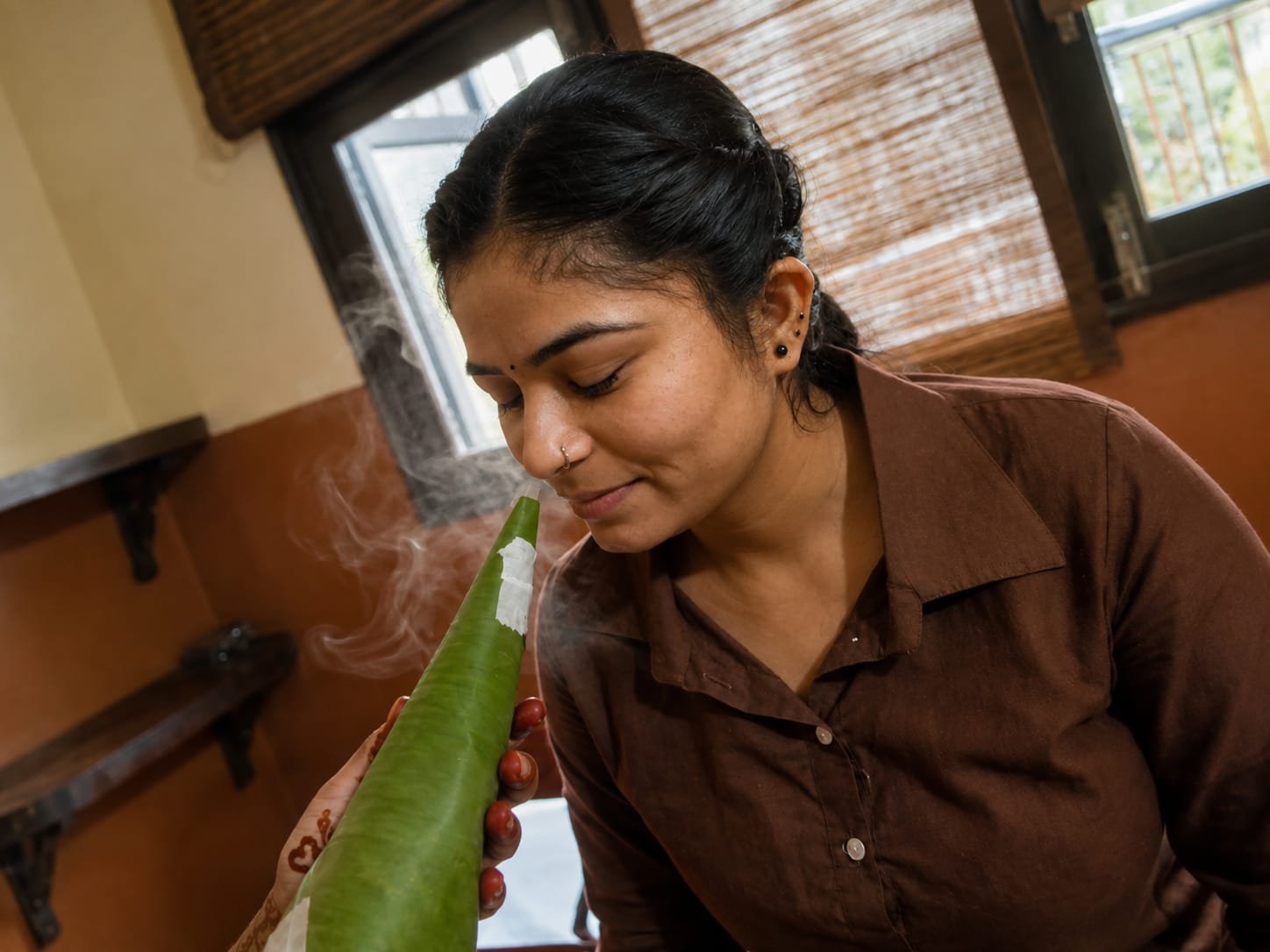
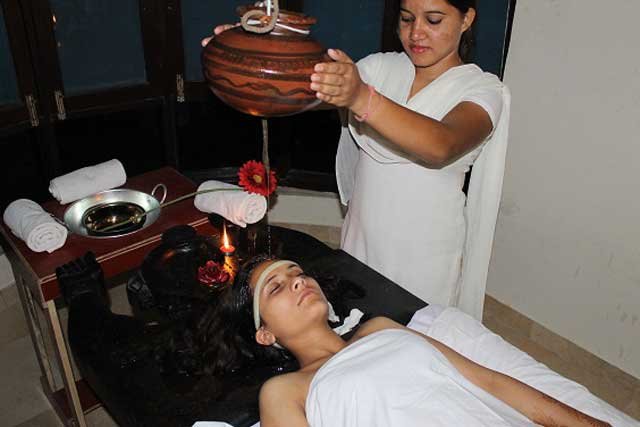
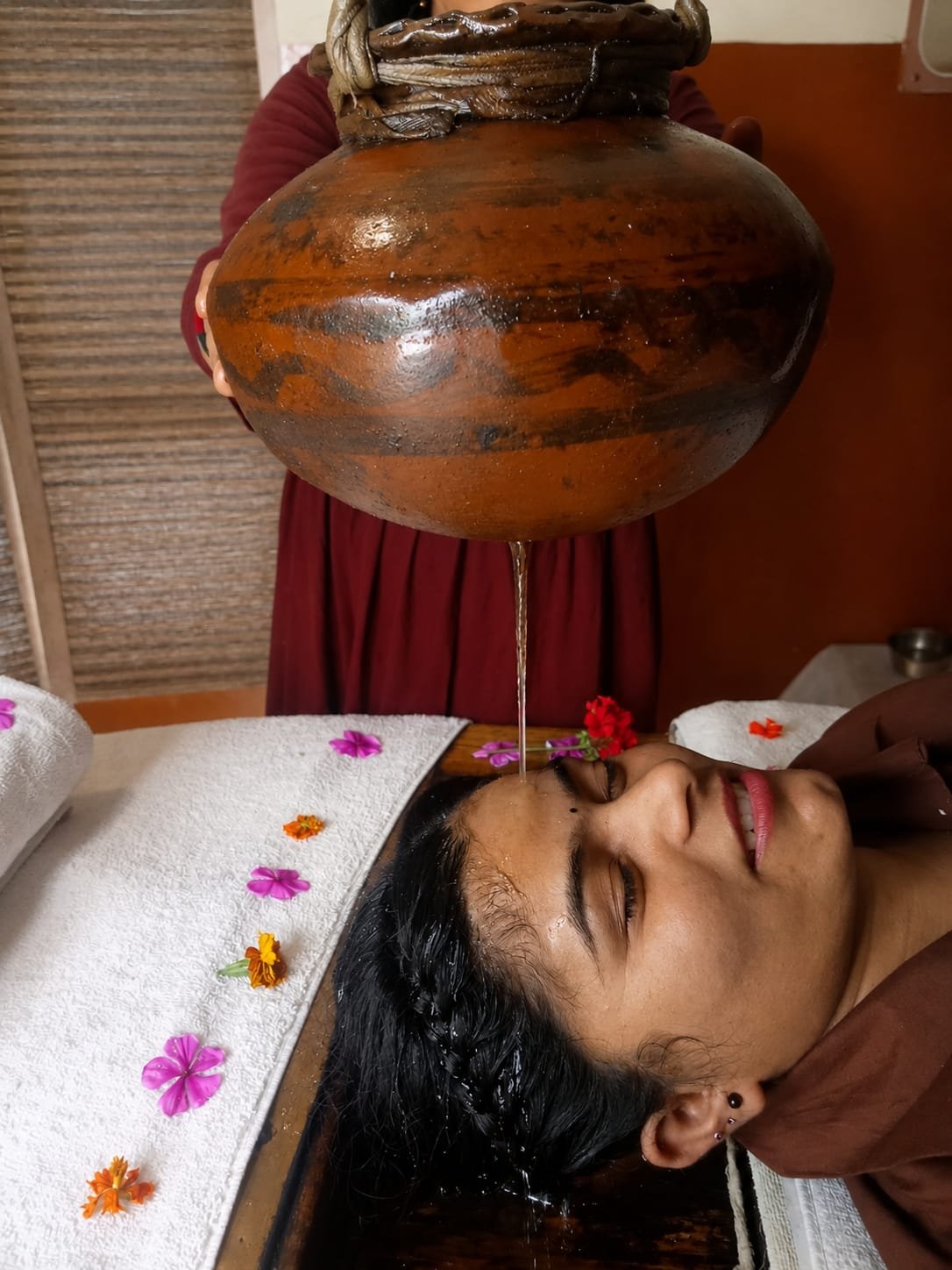
An Ayurvedic wellness programme might include herbal oils, traditional massage, dietary recommendations and other therapies selected according to an Ayurvedic assessment.
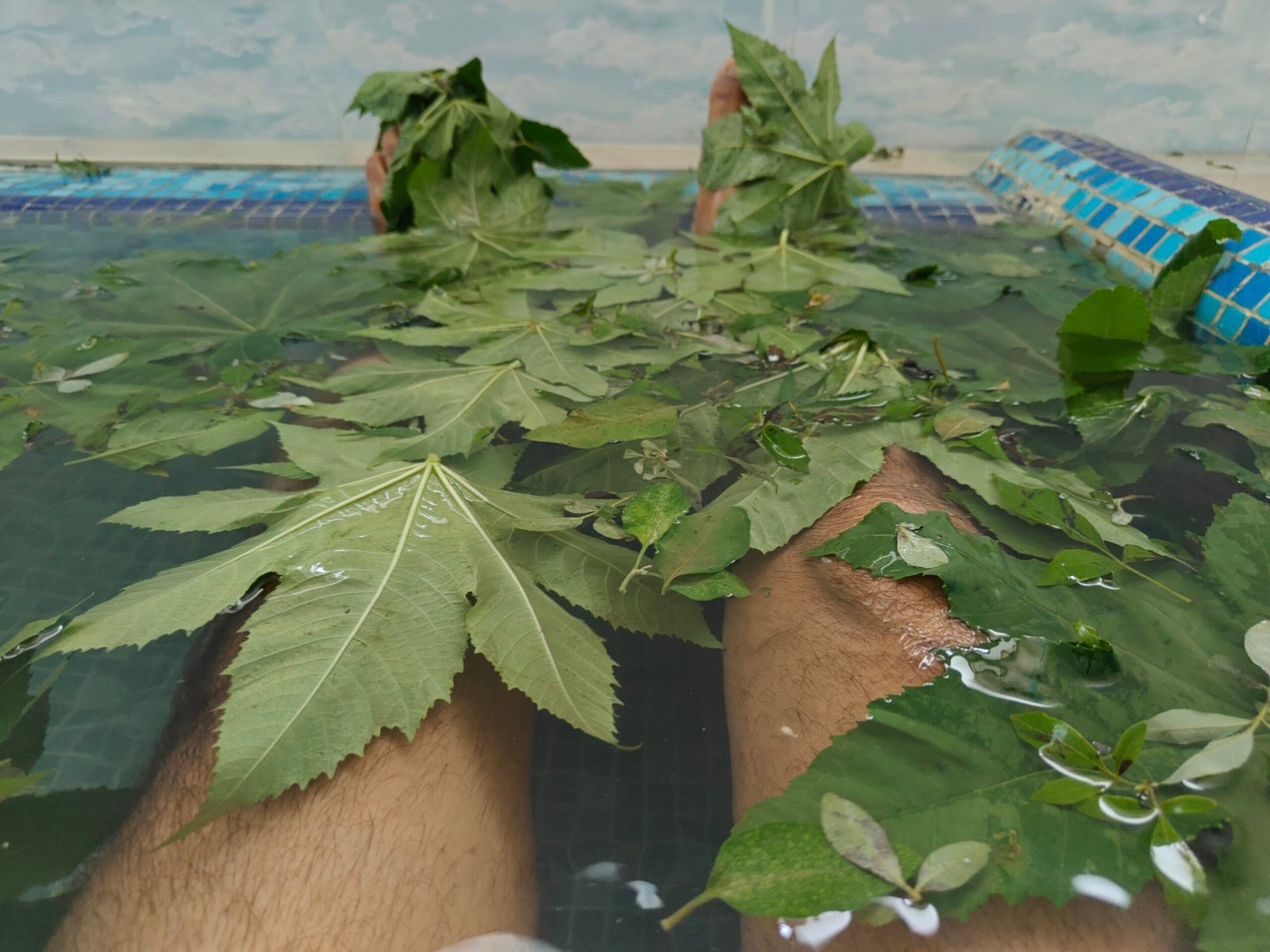
A naturopathy programme may place more emphasis on treatments involving water, mud, movement, diet, exercise and other natural elements. Indian government descriptions of naturopathy specifically emphasise drugless approaches.
However, there can be overlap.
Both programmes may include:
- Yoga
- Meditation
- Massage
- Healthy eating
- Relaxation
- Lifestyle counselling
- Gentle physical activity
This overlap is one reason people sometimes confuse the two systems.
Do Both Focus on Prevention?
Yes, prevention and lifestyle are important themes in both approaches.
Ayurveda includes traditional principles related to maintaining health through appropriate diet and lifestyle.
Naturopathy similarly emphasises healthy lifestyle habits and preventive approaches, including nutrition, physical activity and stress management.
Their methods and underlying explanations differ, but both encourage people to pay closer attention to everyday habits rather than thinking about wellbeing only when a problem appears.
Can Ayurveda and Naturopathy Be Used Together?
In some wellness settings, the two approaches are offered alongside one another.
For example, a programme might combine Ayurvedic massage or lifestyle recommendations with naturopathic practices such as hydrotherapy, mud therapy, yoga or structured dietary routines.
The aim is not necessarily to merge the two systems into one. Instead, appropriate elements from each may be included within a broader wellness programme.
Any programme should still be selected according to the individual’s age, health status and needs.
Which Approach Is Better?
There is no universal answer.
Someone interested in a traditional Indian wellness system involving personalised diet, lifestyle guidance and herbal or oil-based therapies may be more interested in Ayurveda.
Someone looking primarily for lifestyle modification, natural food, yoga, hydrotherapy, movement and other drugless wellness practices may find naturopathy more aligned with their goals.
For many people, the more important question is not:
“Which system is better?”
It is:
“Which approach is appropriate for my individual needs?”
That decision should take into account health conditions, medications, age, lifestyle and the type of programme being considered.
An Important Note About Medical Care
Ayurveda and naturopathy should not be used as reasons to stop prescribed medication or delay appropriate medical diagnosis and treatment.
Evidence for individual Ayurvedic and naturopathic therapies varies considerably. The U.S. National Center for Complementary and Integrative Health also cautions that some Ayurvedic preparations can contain potentially harmful substances, making qualified professional guidance especially important.
Anyone with an ongoing medical condition should discuss major dietary changes, herbal products, fasting or unfamiliar therapies with an appropriate healthcare professional.
Conclusion
Ayurveda and naturopathy share an interest in whole-person wellbeing, healthy routines and natural approaches, but they are not the same.
Ayurveda is a traditional Indian medical system with its own framework for understanding individual constitution and balance. It may use diet, lifestyle changes, herbal preparations, massage and other traditional therapies.
Naturopathy places greater emphasis on drugless, nature-based and lifestyle-focused approaches such as diet, exercise, water, natural environmental factors and healthy daily habits.
Both can be encountered in wellness programmes, and understanding the difference makes it easier to choose an approach that matches your goals and individual circumstances.