

As people grow older, wellbeing often becomes less about doing more and more about maintaining mobility, independence, energy, emotional balance and quality of life.
A well-planned wellness retreat can give senior citizens dedicated time to step away from their normal routine and focus on healthy habits in a calmer, more supportive environment.
The World Health Organization describes healthy ageing as maintaining the functional ability that enables wellbeing in later life. Physical activity, good nutrition and supportive social environments all play an important role in this process.
A senior wellness retreat can bring several of these elements together in one structured experience.
1. Time to Slow Down and Rest
Daily life can remain demanding even after retirement.
Household responsibilities, family commitments, travel, health appointments and irregular routines can leave little time for meaningful rest.
A wellness retreat creates a temporary change of environment where the pace can be intentionally slower.
Instead of moving through a busy schedule, seniors may have more time for:
- Quiet rest
- Gentle activities
- Regular meals
- Relaxation
- Time outdoors
- Better daily routines
This slower pace can make the retreat feel less like a traditional holiday and more like an opportunity to focus on personal wellbeing.
2. Encourages Gentle Physical Activity
Remaining physically active is an important part of healthy ageing.
Regular physical activity can support mobility, functional ability and quality of life in older adults. It may also help seniors maintain their independence for longer.
A wellness retreat can provide an environment where movement is introduced gradually rather than through demanding exercise.
Depending on an individual’s abilities, activities may include:
- Gentle walking
- Yoga
- Stretching
- Breathing exercises
- Balance-focused activities
- Light mobility exercises
The goal does not need to be intense fitness.
For many seniors, simply becoming more comfortable with regular movement can be valuable.
Any programme should, of course, be adapted according to the person’s mobility, medical history and professional advice.
3. Helps Re-establish a Healthy Daily Routine
Healthy ageing is influenced by everyday habits.
The National Institute on Aging highlights staying physically active, making healthy food choices, getting enough sleep and appropriately managing healthcare as important parts of maintaining health later in life.
At home, these habits can sometimes become inconsistent.
Meals may occur at irregular times, physical activity can gradually decrease and sleep routines may change.
A structured wellness retreat can help create a more consistent rhythm through:
Regular waking and sleeping times
A calmer schedule can encourage more consistent rest.
Planned meals
Meals can be organised around balanced eating rather than convenience.
Scheduled movement
Gentle activity becomes part of the day instead of something that is continually postponed.
Dedicated relaxation time
Rest becomes an intentional part of the routine.
Even after the retreat ends, seniors may be able to carry some of these simple habits back into everyday life.
4. Provides Opportunities for Social Connection
Wellness in later life is not purely physical.
Social connection is also an important part of healthy ageing.
WHO notes that meaningful social activities and connections can support mental health, life satisfaction and quality of life among older adults. Social isolation and loneliness, by contrast, can negatively affect both physical and mental wellbeing.
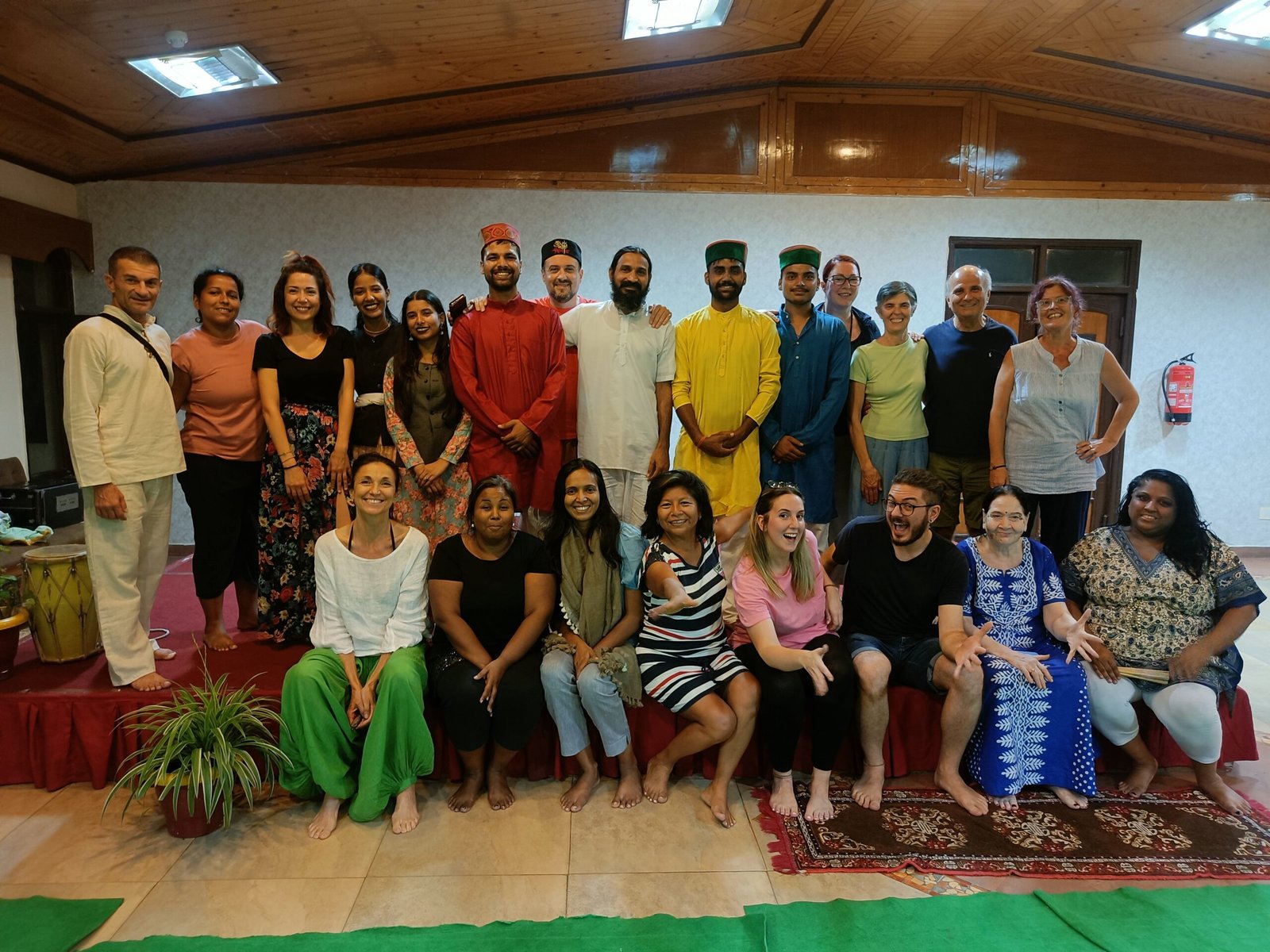
A retreat can naturally create opportunities for seniors to interact with other people.
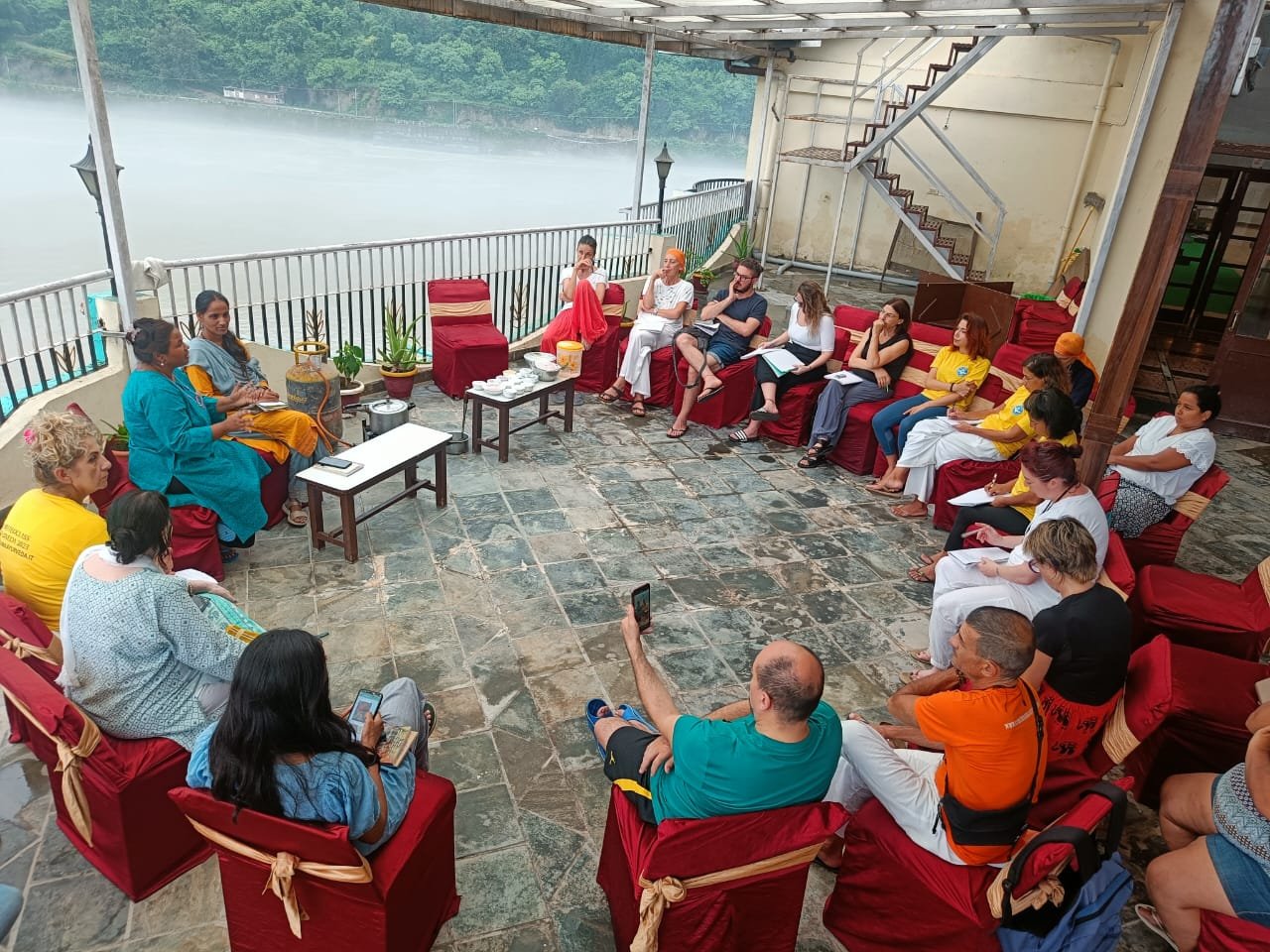
Shared meals, group activities, conversations, walks and wellness sessions can provide a sense of companionship without requiring a highly social or crowded environment.
For seniors who spend significant amounts of time alone at home, even a short period of positive social interaction can make the retreat experience more enjoyable.
5. Creates Space for Mental Relaxation
Older adults can experience stress for many different reasons.
Health concerns, changing family roles, reduced mobility, loss of independence or simply changes associated with ageing can sometimes create emotional pressure.
A wellness retreat cannot remove these challenges, but it can create a peaceful setting away from everyday responsibilities.
Activities such as meditation, breathing exercises, gentle yoga, time in nature and quiet relaxation can help create periods of mental calm.
The purpose is not to promise a particular psychological outcome.
Instead, the retreat provides seniors with something that can easily be overlooked in everyday life: dedicated time to rest mentally as well as physically.
6. Time Spent in a Natural Environment
The setting of a wellness retreat can also influence the overall experience.
Being surrounded by mountains, greenery, rivers or other natural landscapes can encourage people to spend more time outdoors and less time surrounded by screens, traffic and daily distractions.
For seniors, this can make simple activities such as walking, sitting outside, breathing exercises or enjoying morning sunlight feel more enjoyable.
A retreat does not need an exhausting sightseeing schedule.
Sometimes simply having access to a peaceful natural environment is enough to create a meaningful change from everyday routines.
7. Wellness Activities Can Be Adapted for Seniors
One of the most important features of a senior-focused wellness retreat should be flexibility.
Not every senior has the same physical ability or health requirements.
Some guests may be active and comfortable walking significant distances, while others may need assistance with mobility or prefer very gentle activities.
A thoughtfully designed programme can therefore adapt activities according to individual comfort.
Depending on suitability, the experience may include practices such as:
- Gentle yoga
- Meditation
- Breathing exercises
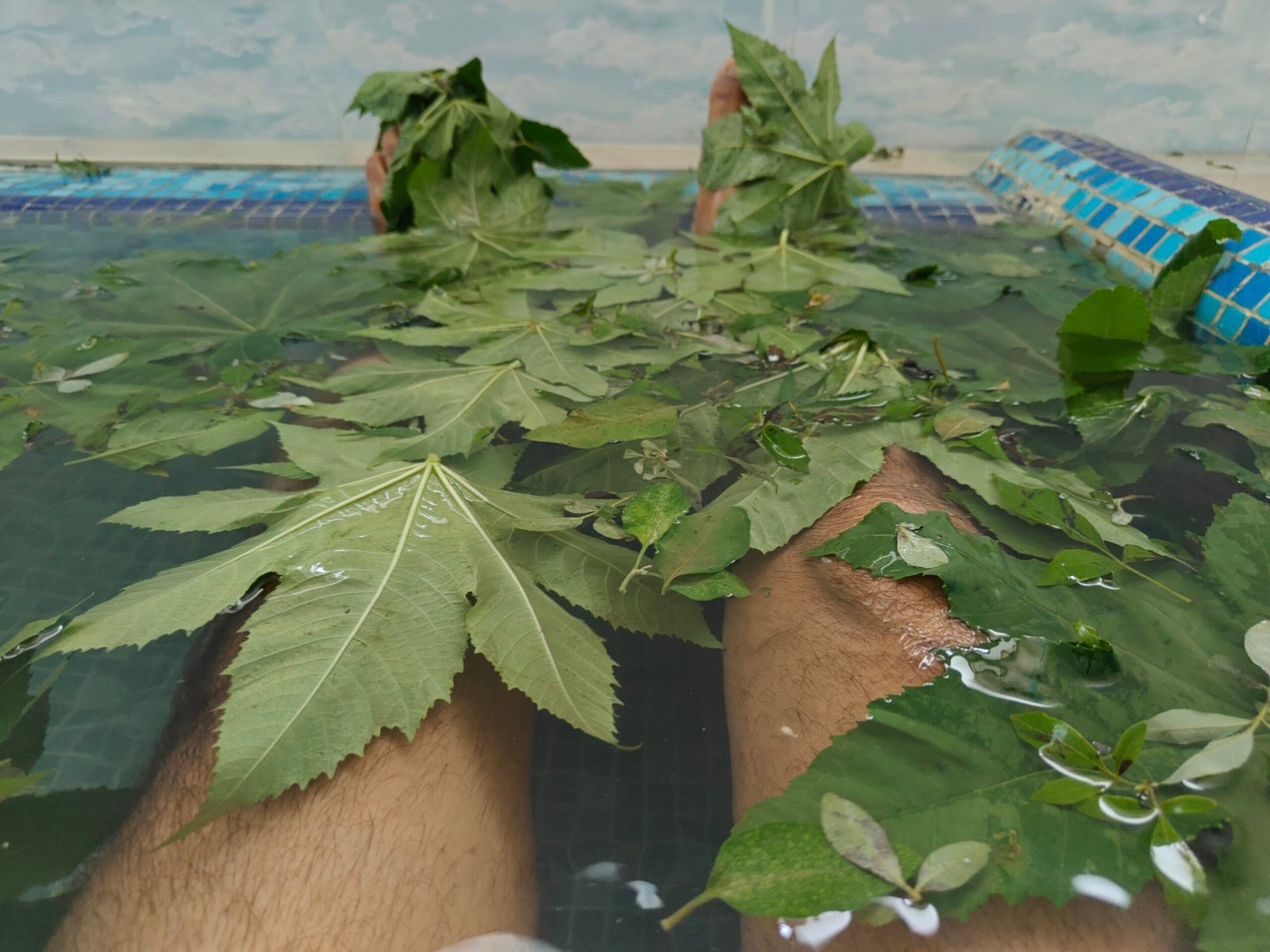
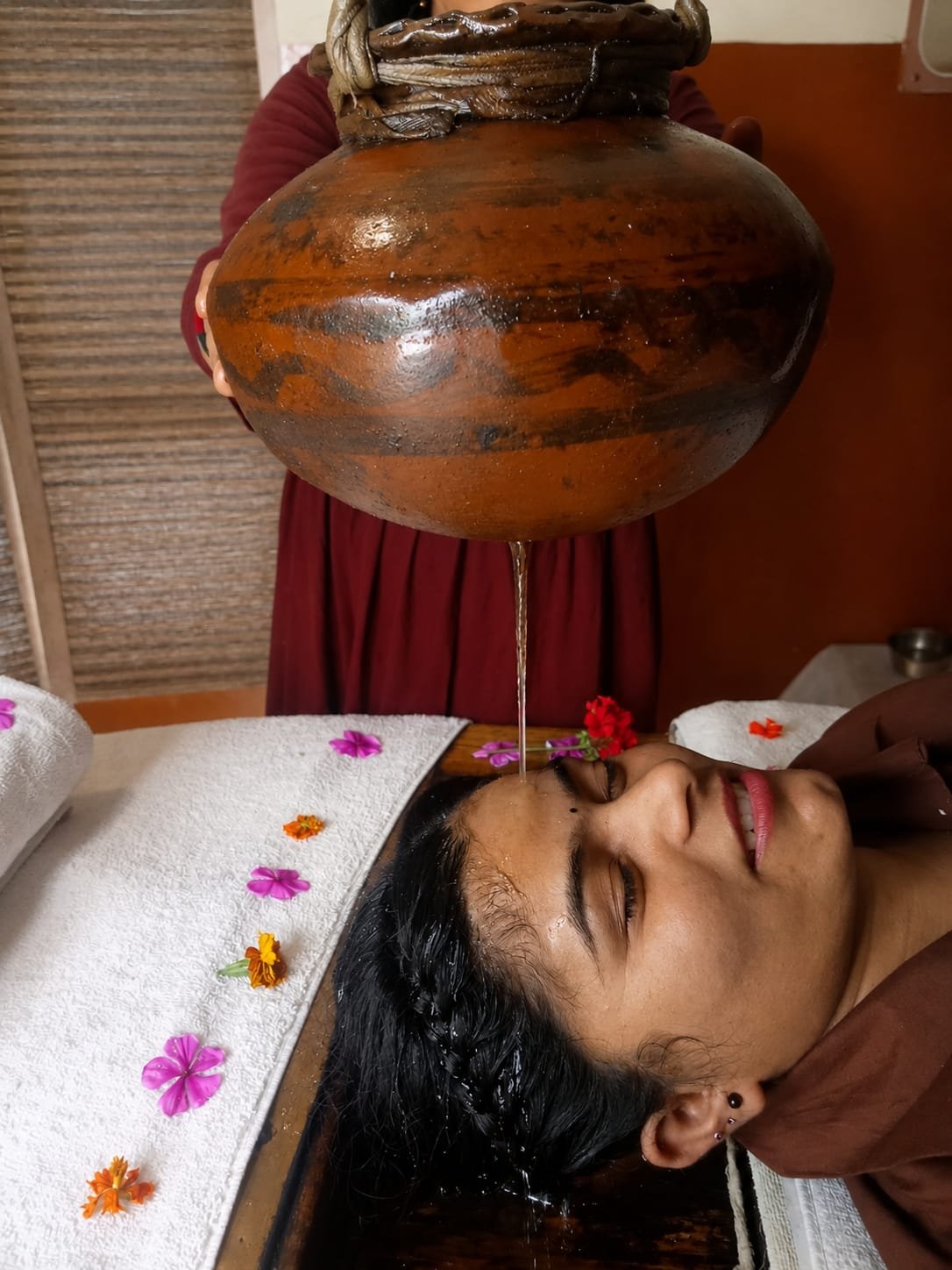
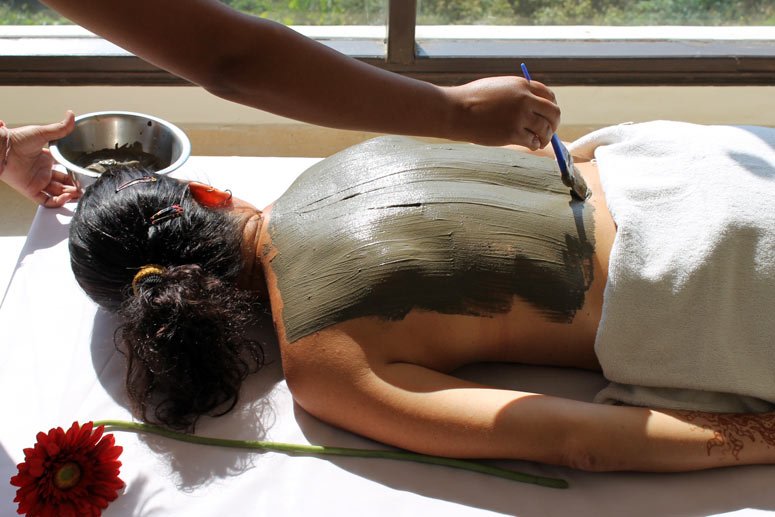
- Naturopathy-based wellness routines
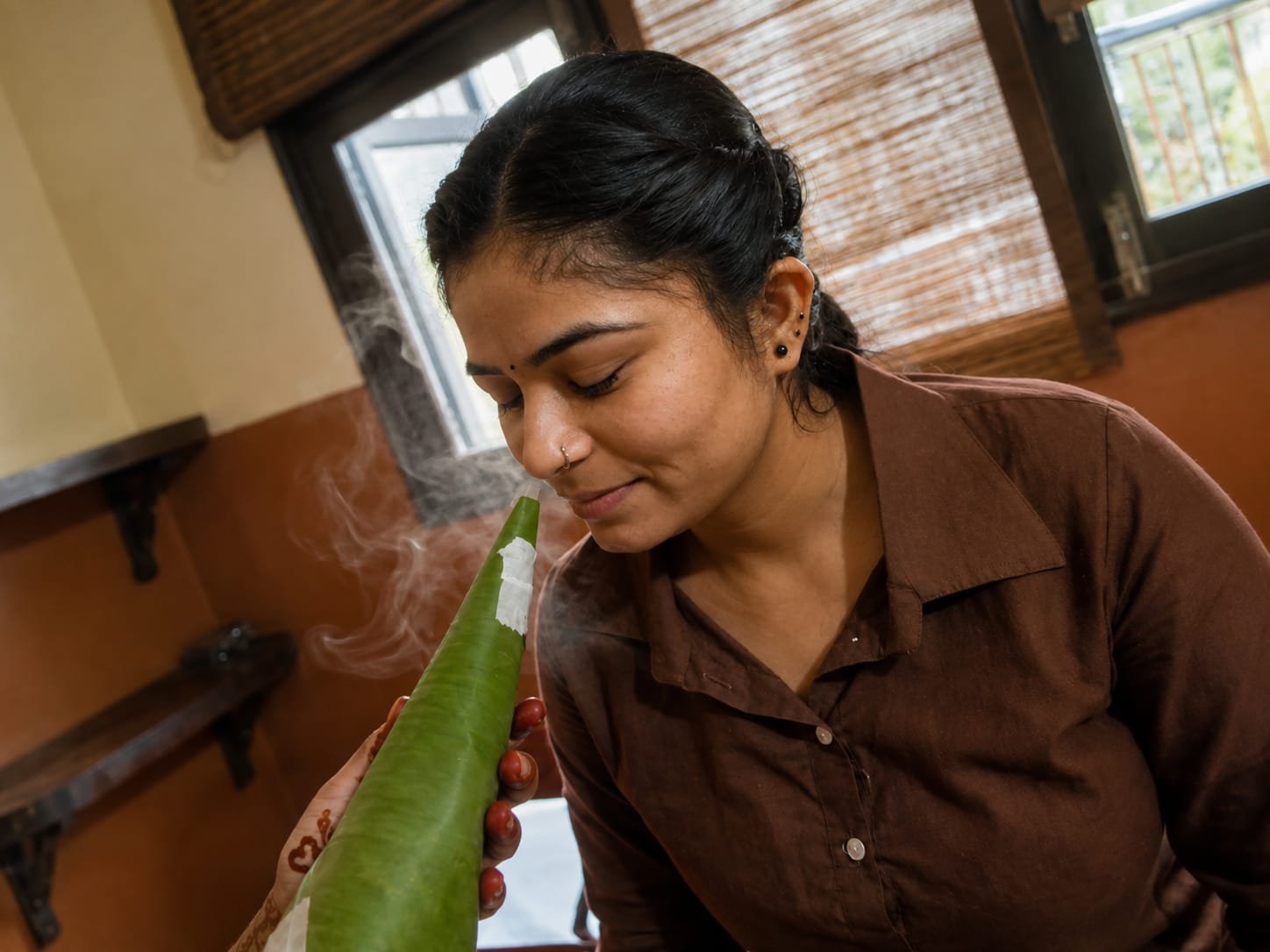
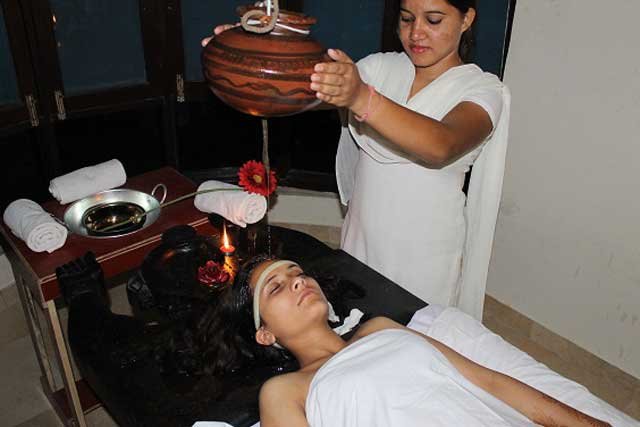
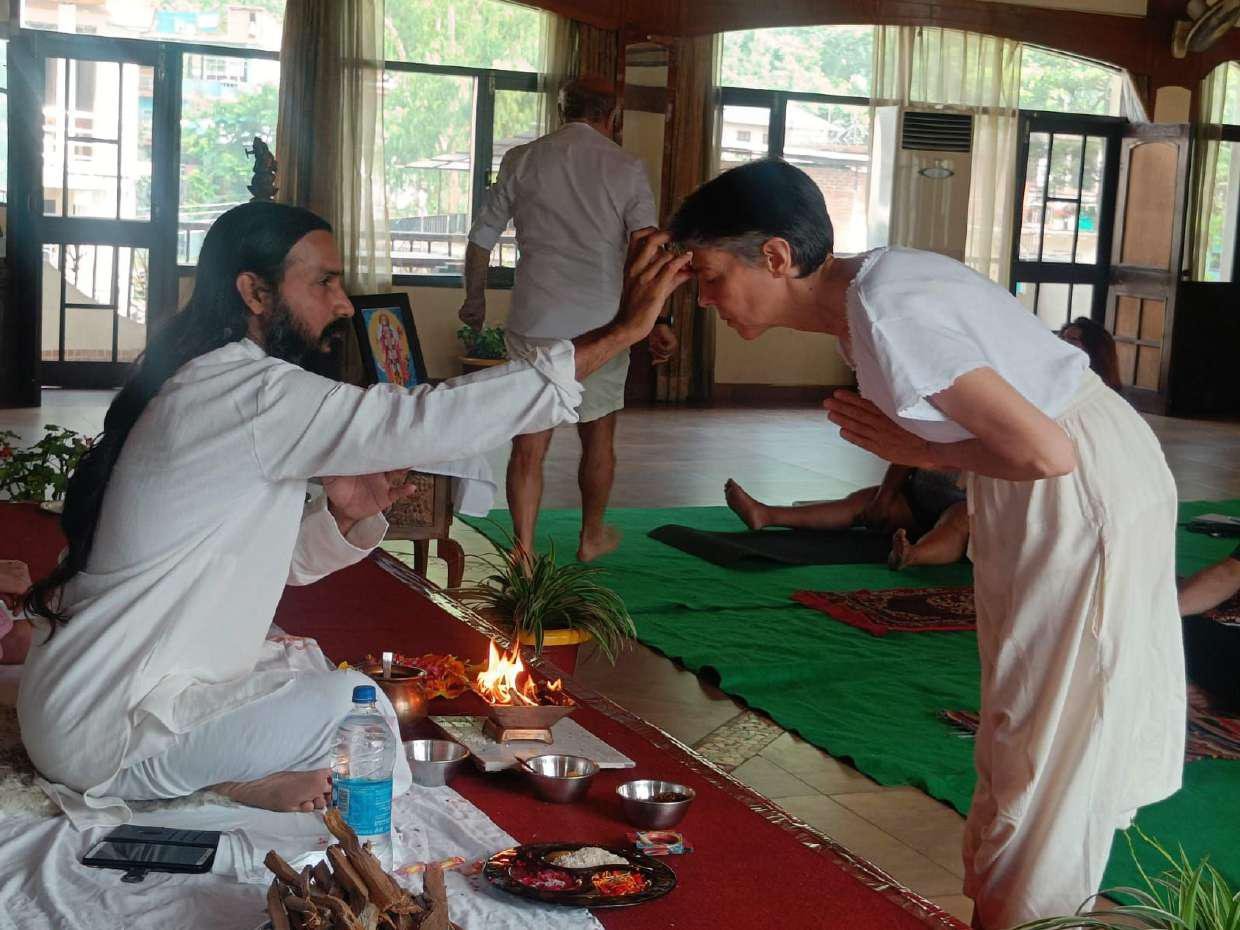
- Ayurveda-inspired practices
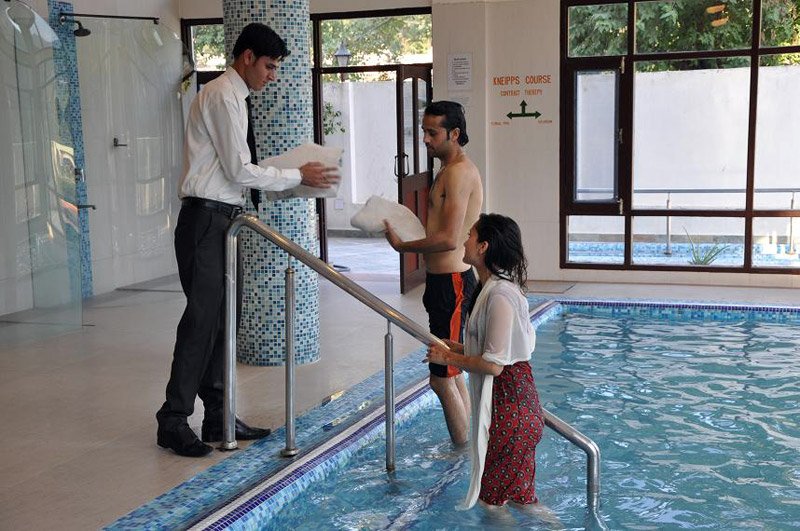
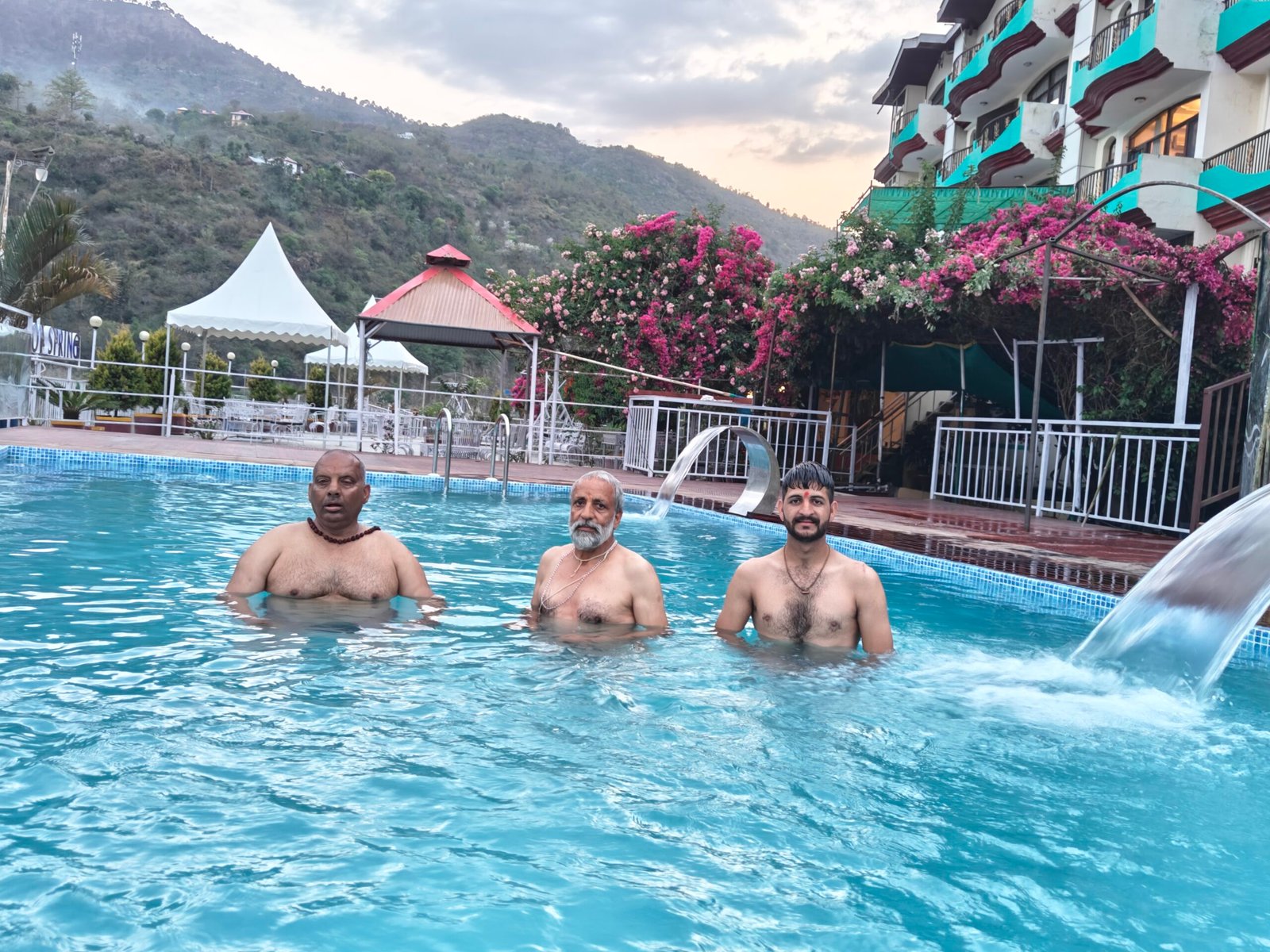
- Hot spring bathing
- Light movement
- Relaxation sessions
The emphasis should always remain on comfort, safety and appropriate participation rather than pushing the body beyond its limits.
8. A Break From an Inactive Lifestyle
It is easy for physical activity to gradually decrease with age.
Joint discomfort, fear of falling, reduced confidence or simply spending more time indoors can all contribute to a more sedentary routine.
However, physical activity remains important for older adults and can support physical function, mental wellbeing and independent living.
A wellness retreat can gently encourage seniors to become more engaged with movement again.
Even small activities—such as morning stretches, short walks or guided mobility exercises—can remind guests that movement does not always need to mean strenuous exercise.
9. Encourages Greater Awareness of Personal Wellbeing
Another benefit of stepping away from everyday routines is having time to notice how different habits affect the body.
Seniors may become more aware of questions such as:
Am I drinking enough water?
Am I moving regularly?
Is my sleep routine consistent?
Am I giving myself enough time to rest?
Could I include some gentle activity in my normal day?
A retreat can therefore act as an opportunity to reflect on lifestyle habits and identify small improvements that feel realistic after returning home.
Wellness Retreats Should Complement Medical Care
A wellness retreat should never be presented as an alternative to necessary medical treatment.
Older adults are more likely to have individual medical considerations, and activities that are appropriate for one person may not be suitable for another.
Seniors with heart conditions, blood pressure concerns, significant mobility limitations or other ongoing medical conditions should discuss participation in unfamiliar wellness activities with their healthcare professional when appropriate.
Existing medicines and medical advice should continue as prescribed.
The purpose of a responsible senior wellness retreat is to support healthy routines, relaxation and quality of life alongside appropriate healthcare—not replace it.
Conclusion
Wellness retreats can be beneficial for senior citizens because they provide something that is often difficult to create in everyday life: dedicated time for rest, gentle movement, healthy routines, social connection and personal wellbeing.
When the programme is designed around the individual’s age, comfort and abilities, a retreat can provide an enjoyable environment for slowing down and reconnecting with healthier daily habits.
The greatest value may not come from any single therapy or activity.
Instead, it comes from bringing several simple elements together—movement, relaxation, nutritious food, companionship, nature and a calmer routine—in an environment where seniors have the time and support to focus on themselves.