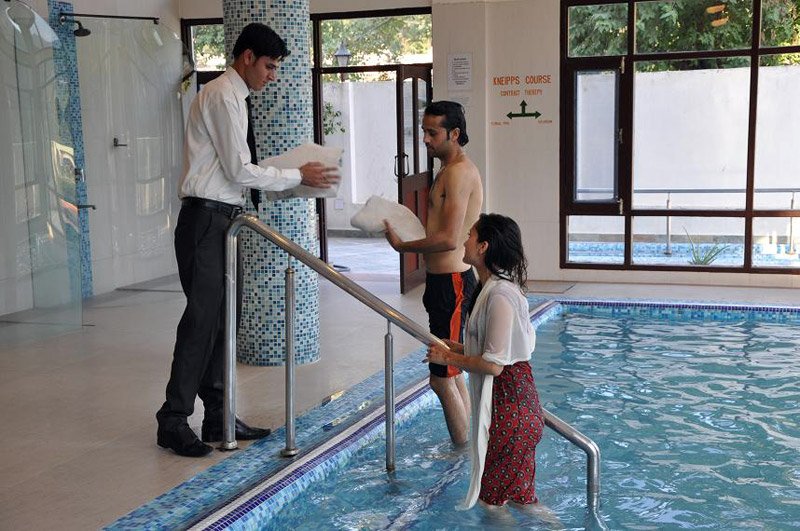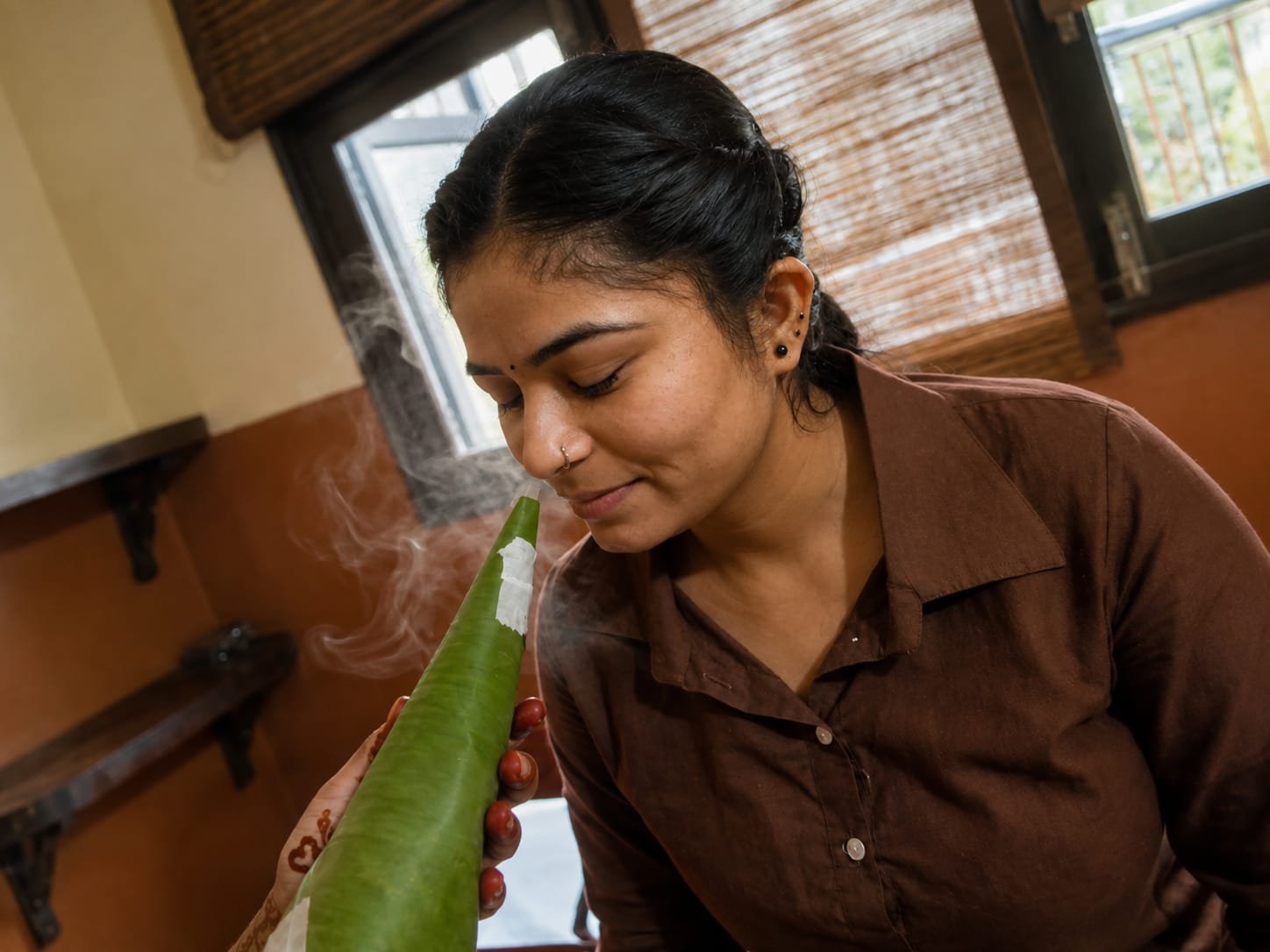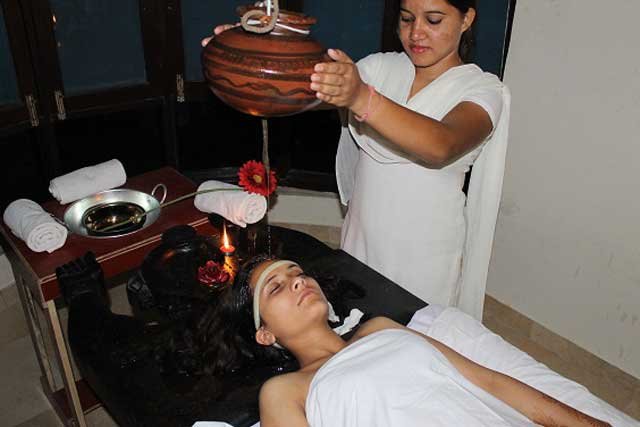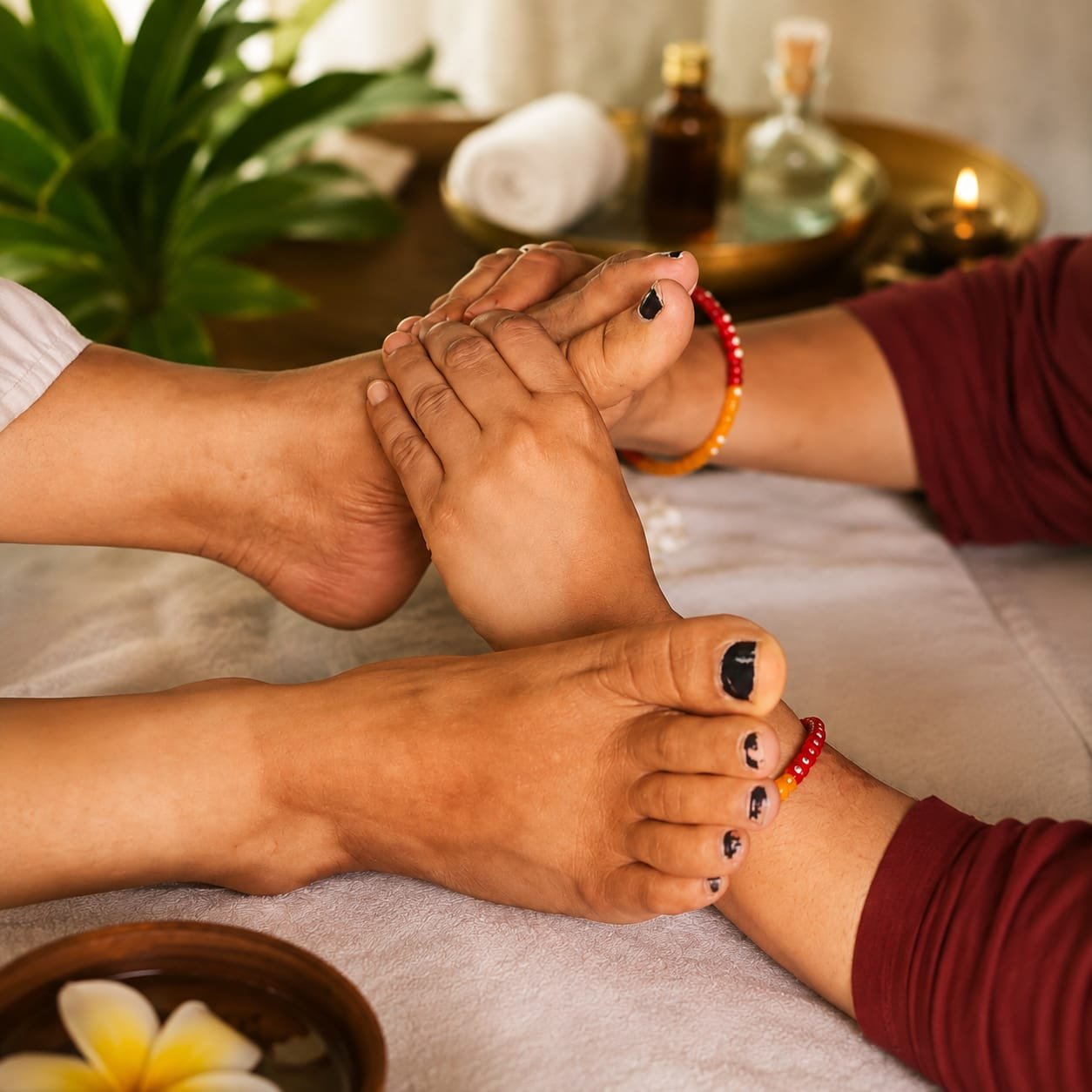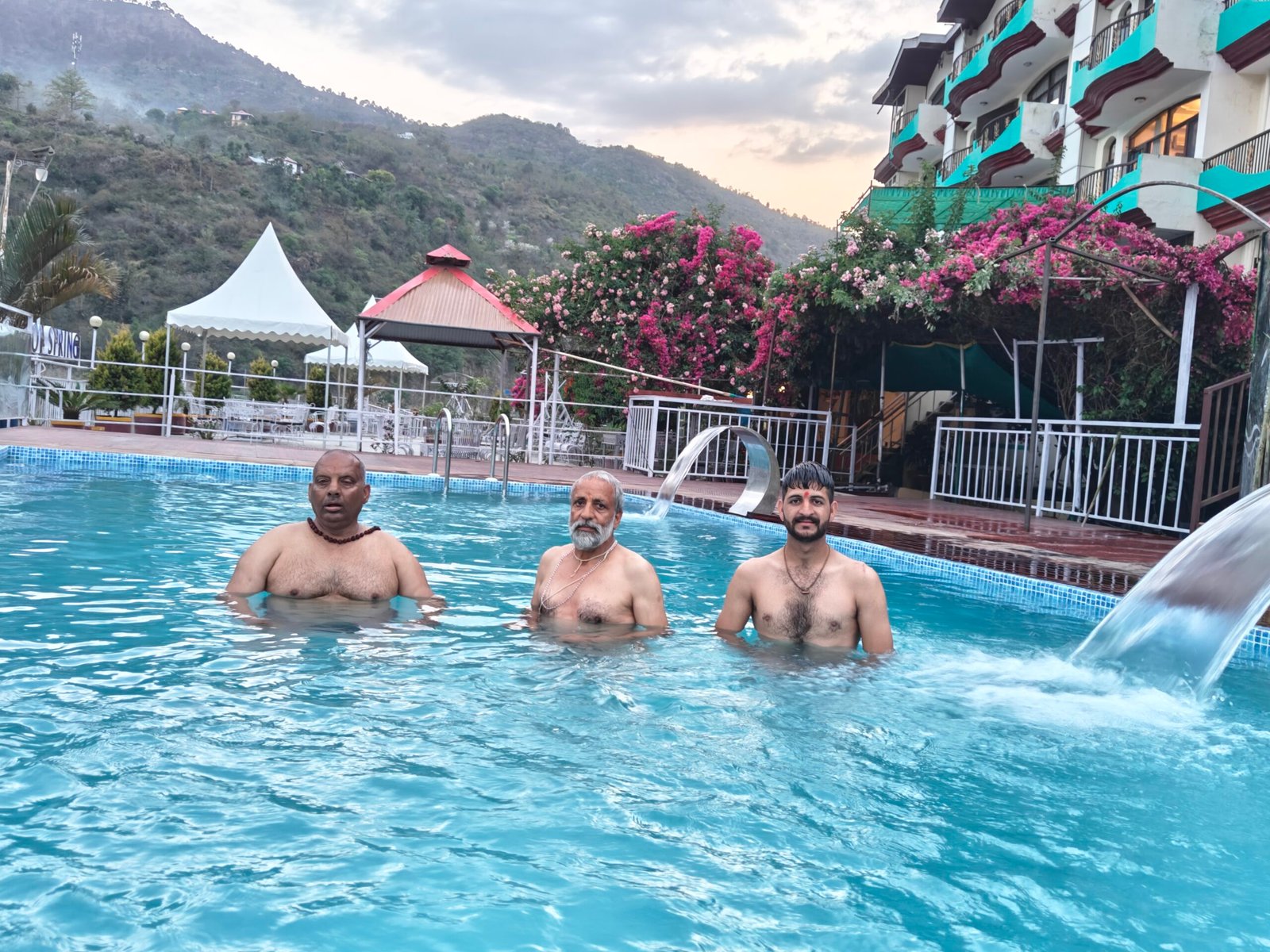

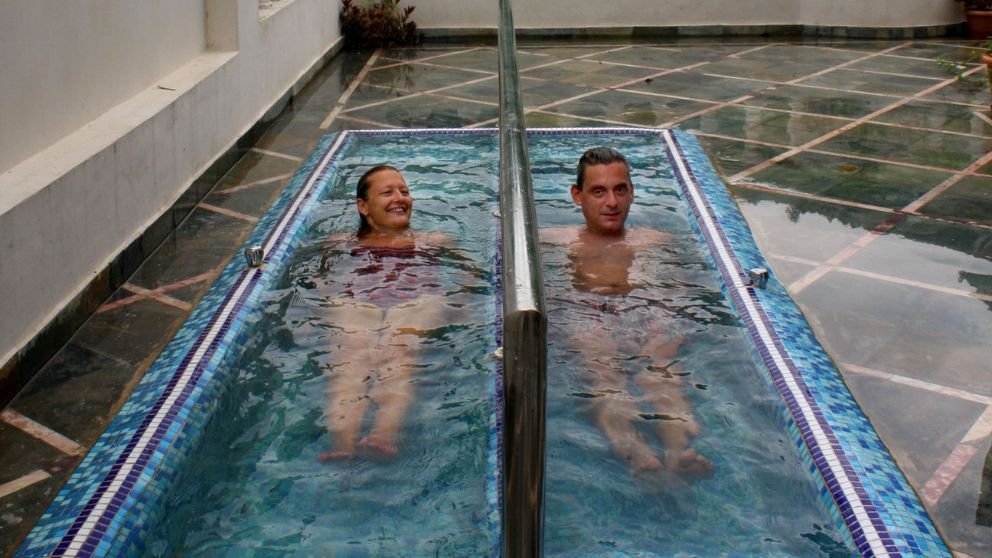
Tattapani in Himachal Pradesh is widely known for its natural hot water springs along the Sutlej River. The springs can be experienced during different parts of the year, but the season can significantly change how enjoyable the experience feels. The Shimla district administration also recognises Tattapani as a destination particularly known for its natural hot springs.
If experiencing the hot spring is the main purpose of your visit, the cooler months from October to March are generally the most enjoyable, while spring and early summer can also be good depending on your travel preferences.
Here is what you can expect throughout the year.
October to March: Best for the Classic Hot Spring Experience
For many visitors, autumn and winter offer the most satisfying hot spring experience in Tattapani.
As the surrounding air becomes cooler, stepping into naturally warm water feels especially comforting. The contrast between the cool Himalayan atmosphere and warm geothermal water is one of the things that makes visiting a natural hot spring so memorable.
Winter also encourages a slower kind of trip. Instead of seeing the hot spring as simply another sightseeing stop, you can spend time relaxing and enjoying the warmth of the water.
January also has a special cultural connection with Tattapani. Himachal Tourism notes that the Tattapani hot springs attract devotees for bathing during Makar Sankranti, traditionally observed around 14 January.
Why October to March works well
- Cooler air makes warm-water bathing more enjoyable
- Pleasant setting for a relaxation-focused visit
- Less of the heavy rainfall associated with the main monsoon months
- Winter creates the classic hot-spring contrast of cool weather and warm water
- January carries additional traditional significance because of Makar Sankranti
If your main reason for travelling is specifically to experience Tattapani’s hot springs, this would be our preferred period.
March to June: Pleasant for a Combined Tattapani Visit
Spring and early summer are also popular months for travelling around the Shimla region.
The Shimla district administration identifies March to June as one of the best seasons for visiting the wider Shimla area, when conditions are generally pleasant.
During this period, you can still enjoy Tattapani’s hot spring water, but the experience is different from winter.
As daytime temperatures become warmer, you may not feel the same strong contrast between the surrounding air and the hot water. For this reason, early mornings or evenings may feel more comfortable for hot spring bathing.
Spring can be a good choice for travellers who want the hot springs to be part of a broader relaxing Himalayan trip rather than the sole purpose of the journey.
Why consider March to June
- Generally favourable season for travelling in the Shimla region
- Comfortable for combining hot spring bathing with outdoor experiences
- Longer days for enjoying the surroundings
- Suitable for travellers who prefer milder weather rather than colder winter conditions
For the hot spring experience alone, however, many people may find the cooler months more atmospheric.
July and August: Monsoon Requires More Planning
July and August fall within the main monsoon period in Himachal Pradesh.
The India Meteorological Department’s climate information for Himachal Pradesh notes that July and August are rainy months, with fog also frequent in hill areas during this period.
Recent monsoon seasons have also brought periods of substantial rainfall in the state, making it especially important to check current forecasts and road conditions before travelling.
The hot springs themselves remain a natural attraction, but rainfall can affect the overall travel experience.
If you are planning a wellness stay during the monsoon, the season can certainly have its own peaceful character—the surrounding landscape becomes greener and the sound of rainfall can create a relaxing atmosphere. However, flexibility in travel plans becomes more important.
Things to consider during monsoon
- Rainfall can be frequent or heavy
- Mountain road conditions can change
- Outdoor plans may need adjustment
- Weather forecasts should be checked before travelling
For someone travelling specifically to experience the hot springs for the first time, October through spring is usually the simpler choice.
September to November: A Beautiful Transition Period
The period after the main monsoon and before the coldest part of winter can also be an excellent time to experience Tattapani.
As the rainy season begins to withdraw, the surrounding hills often retain their greenery while the weather gradually becomes cooler.
By October and November, the cooler air starts making hot spring bathing especially pleasant again.
This period can therefore offer a good balance for visitors who want:
- Comfortable weather
- A relaxing hot spring experience
- Himalayan scenery
- Cooler evenings without the deepest winter conditions
For travellers who do not particularly enjoy cold winters, October and November can be an excellent compromise.
Is Winter Too Cold for Hot Spring Bathing?
It might seem unusual to plan a water-based experience during winter, but natural hot springs are very different from ordinary swimming.
The water is naturally heated through geothermal processes beneath the earth. Tattapani’s hot springs are precisely what the destination is famous for.
In fact, cooler weather can enhance the experience because the warm water feels more comforting against the colder surrounding air.
You should still dress appropriately for the season and have warm clothing ready after leaving the bathing area.
So, What Is the Best Month to Visit?
There is no single perfect month for everyone, but for hot spring bathing specifically, we would broadly recommend:
October to March — Best overall hot spring experience
Ideal if you want cooler weather and the distinctive feeling of relaxing in warm geothermal water.
October & November — Great balanced choice
Suitable for those who want pleasant weather without the strongest winter chill.
December to February — Best winter experience
The strongest contrast between cold weather and naturally warm water.
March to June — Good for a wider holiday
Hot springs can be combined with sightseeing and other outdoor activities around the region.
July & August — Travel with more flexibility
Possible, but monsoon rainfall means weather and road conditions should be checked carefully.
Conclusion
Tattapani’s natural hot springs can be experienced during much of the year, but October to March offers one of the most enjoyable periods if the hot springs themselves are the main reason for your visit.
Cooler mountain air makes the naturally warm water feel particularly soothing, while October and November provide a comfortable option for travellers who prefer to avoid the coldest part of winter.
Spring and early summer remain good alternatives, particularly if you want to combine the hot springs with a wider Himachal Pradesh holiday.
Ultimately, every season gives Tattapani a different character—but when cool Himalayan weather meets naturally warm spring water, the experience becomes especially memorable.