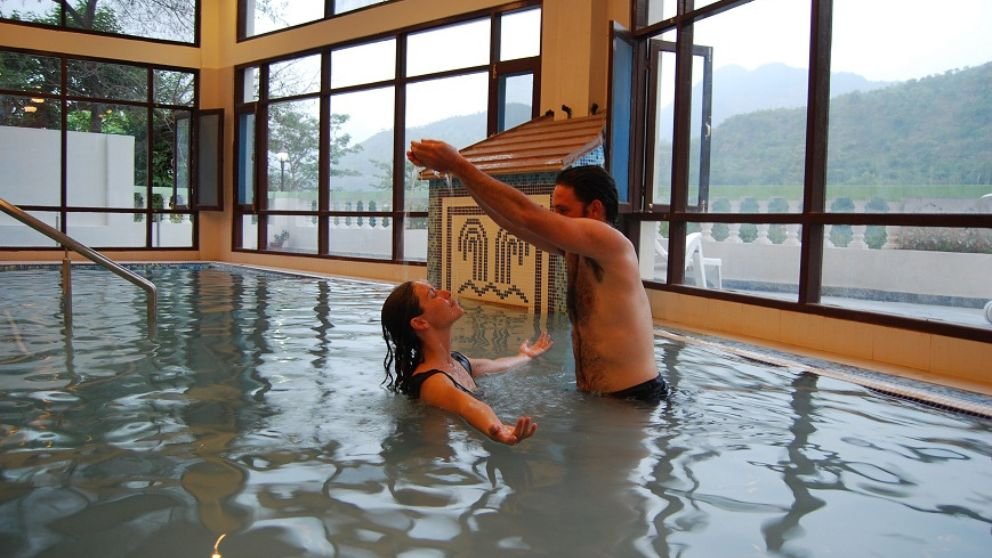
Hot spring therapy is the practice of spending time in naturally heated mineral-rich water as part of a relaxation and wellness routine. For centuries, natural hot springs have been valued in different cultures as places to rest, recover and enjoy the soothing effects of warm water.
Unlike an ordinary heated bath, natural hot spring water is warmed beneath the earth through geothermal activity. As the water moves through underground rock formations, it may also collect naturally occurring minerals.
This combination of warmth, minerals and a calming environment is what makes hot spring bathing a distinctive wellness experience.
What Is Hot Spring Therapy?
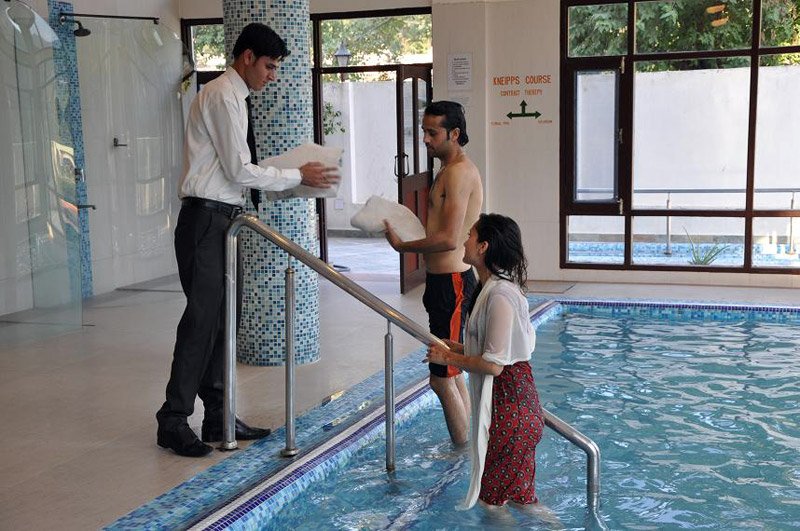
Hot spring therapy generally involves soaking or bathing in naturally warm spring water for a controlled period of time.
The experience is often simple: the body is immersed in comfortably warm water while the natural heat helps create a sense of relaxation.
In some wellness settings, hot spring bathing may also be combined with practices such as gentle movement, breathing exercises, yoga, naturopathy or other relaxation-based routines.
The purpose is not necessarily to treat a specific medical condition. Instead, hot spring therapy is commonly used to support relaxation, physical comfort and overall wellbeing.
How Does Warm Water Affect the Body?
One of the main reasons hot spring bathing feels relaxing is the effect of warm water on the body.
When the body is immersed in comfortably warm water, muscles may begin to relax and physical tension can feel reduced. The warmth can also create a comforting sensation around joints and tired areas of the body.
Water provides natural buoyancy as well, meaning the body feels lighter when immersed. This can reduce the feeling of pressure on weight-bearing areas and make gentle movement in the water more comfortable.
For people who spend long hours sitting, travelling or performing physically demanding activities, a warm-water soak can offer a peaceful way to unwind.
Supports Relaxation and Stress Relief
One of the most noticeable benefits of hot spring therapy is relaxation.
Modern lifestyles often involve long working hours, constant screen use, travel, mental pressure and limited time for rest. Spending time in warm water provides an opportunity to temporarily step away from these demands.
The combination of warmth, quiet surroundings and reduced physical tension can help create a calmer state.
A hot spring experience is therefore not only about the water itself. The surrounding environment also plays an important role.
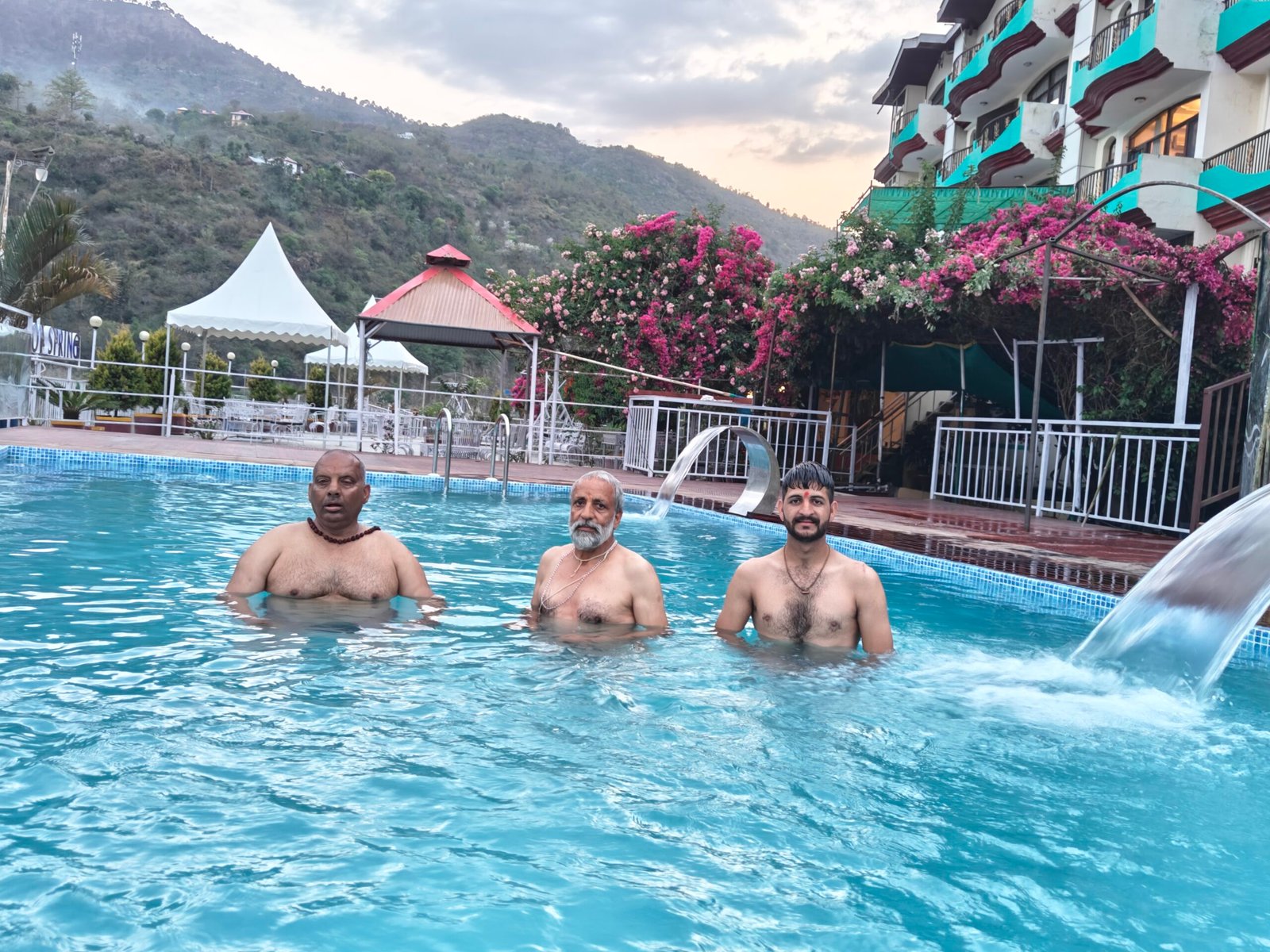
Natural locations such as Tattapani, where warm spring water is surrounded by Himalayan scenery, can make the experience even more peaceful.
May Help Ease Everyday Muscle Tension
Warm water has long been used as a simple way to relax tired muscles.
Heat can make the body feel more flexible and comfortable, particularly after physical activity or long periods of stiffness.
When combined with the buoyancy of water, gentle stretching or movement may also feel easier.
This is one reason warm-water bathing is often included in wellness routines focused on physical relaxation and recovery.
However, anyone experiencing persistent pain, injury or a diagnosed medical condition should seek appropriate medical advice rather than relying on hot spring bathing as a treatment.
Encourages a Slower Pace
Wellness is not always about adding more activities to the day.
Sometimes it is about creating space to slow down.
Hot spring therapy naturally encourages this.
While soaking in warm water, there is little need for constant movement or stimulation. The experience allows people to sit quietly, focus on their breathing and simply spend time resting.
This slower pace can be especially valuable for people whose normal routines are busy or stressful.
Even a short period of intentional rest can become an important part of a broader wellness routine.
The Role of Natural Minerals
Natural hot spring water may contain minerals that it absorbs while travelling through underground rock formations.
The exact mineral composition varies from one hot spring to another depending on local geology.
Tattapani, for example, is traditionally known for its naturally occurring sulphurous hot spring water.
These minerals contribute to the distinctive character of natural spring water and are one of the reasons hot springs have historically been associated with traditional bathing practices.
It is important, however, not to assume that mineral water can cure illnesses or replace professional medical treatment.
The greatest value of hot spring therapy for most people lies in the combination of warm water, relaxation, natural surroundings and mindful rest.
Supports a Broader Wellness Routine
Hot spring therapy can also complement other wellness practices.
For example, a hot spring bath may be experienced alongside:
- Gentle yoga or stretching
- Meditation and breathing exercises
- Naturopathy-based routines
- Ayurveda-inspired wellness practices
- Healthy meals and hydration
- Adequate sleep and rest
- Time spent in nature
When these practices are combined thoughtfully, they can create a more complete wellness experience.
Rather than viewing hot spring bathing as a single therapy that solves a particular problem, it can be seen as one part of a balanced approach to relaxation and self-care.
Why Natural Hot Springs Feel Different
There is something uniquely calming about experiencing warm water in a natural environment.
A conventional heated pool can provide warmth, but a natural hot spring adds another dimension.
The water has been heated naturally beneath the earth, often contains naturally occurring minerals and is closely connected with the surrounding landscape.
In destinations such as Tattapani, the contrast between naturally warm water and the Himalayan environment creates an experience that feels far removed from everyday routines.
This connection with nature is one of the reasons many people find hot spring bathing restorative.
Is Hot Spring Therapy Suitable for Everyone?
Hot spring bathing can be enjoyable for many people, but it may not be appropriate in every situation.
People with certain heart conditions, blood pressure concerns, pregnancy-related considerations, skin conditions or other medical concerns should speak with a healthcare professional before spending extended periods in very warm water.
It is also important to stay hydrated, avoid excessively hot temperatures and limit the duration of bathing according to individual comfort.
Hot spring therapy should always be approached as a wellness and relaxation practice, not as a replacement for medical diagnosis or treatment.
Conclusion
Hot spring therapy is a natural wellness practice centred around bathing in warm, mineral-rich geothermal water.
Its value comes from a combination of warmth, buoyancy, relaxation, natural minerals and a peaceful environment.
For many people, the experience can provide an opportunity to relax tired muscles, slow down mentally and take a meaningful break from everyday stress.
When enjoyed responsibly and combined with healthy lifestyle practices, hot spring therapy can become a simple yet valuable part of a broader approach to wellbeing.